A small farm. A whole other world.

A little strange.
Entirely
delicious.

An urban mushroom atelier for curious minds and good food. Come a little closer. There’s a whole kingdom to discover.

Find your workshop First, meet the mushrooms
Grown with curiosity.
Shared around a table.
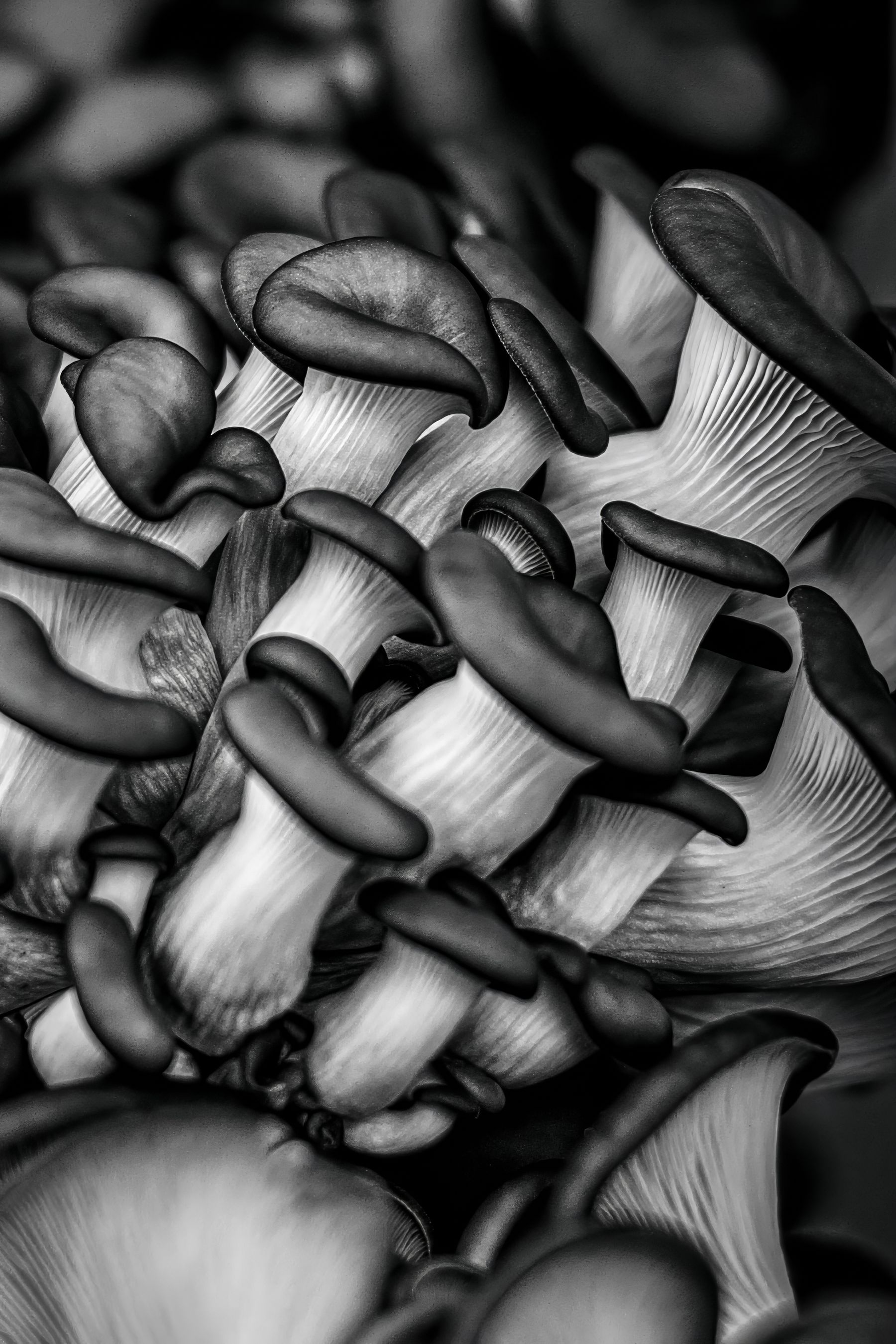
Sculptural layers and delicate gills of oyster mushrooms in black and white
Pleurotus ostreatus
A different way to look at food.

THE HARVEST

A short introduction. A long fascination.

Meet your
new favourites.

Different shapes. Different textures. Plenty of personality. Start with two kitchen favourites and find a new way to cook.

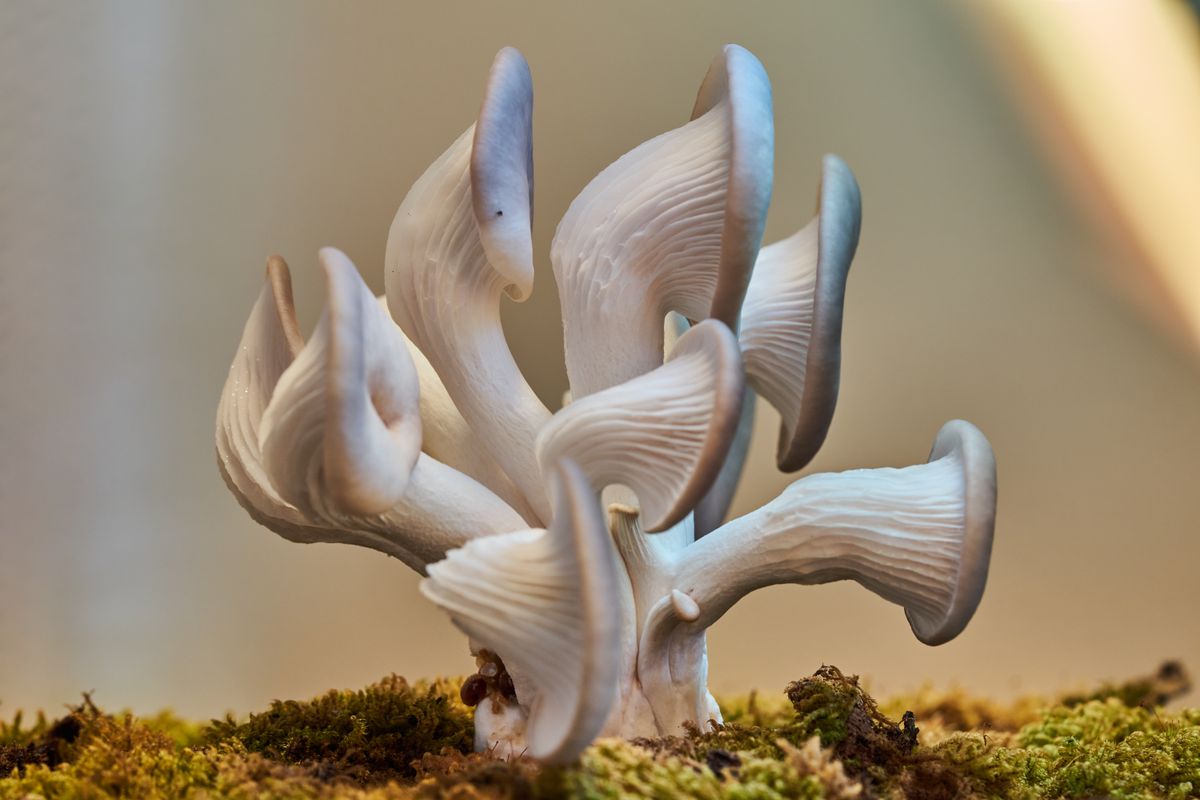
Oyster mushrooms growing in a layered cluster

The oyster

Pleurotus ostreatus

Delicate fans. Tender texture. Lovely torn into a hot pan and cooked until the edges turn crisp.

A note for your kitchen

Keep the clusters loosely wrapped in paper in the fridge. Clean gently and cook thoroughly before eating.

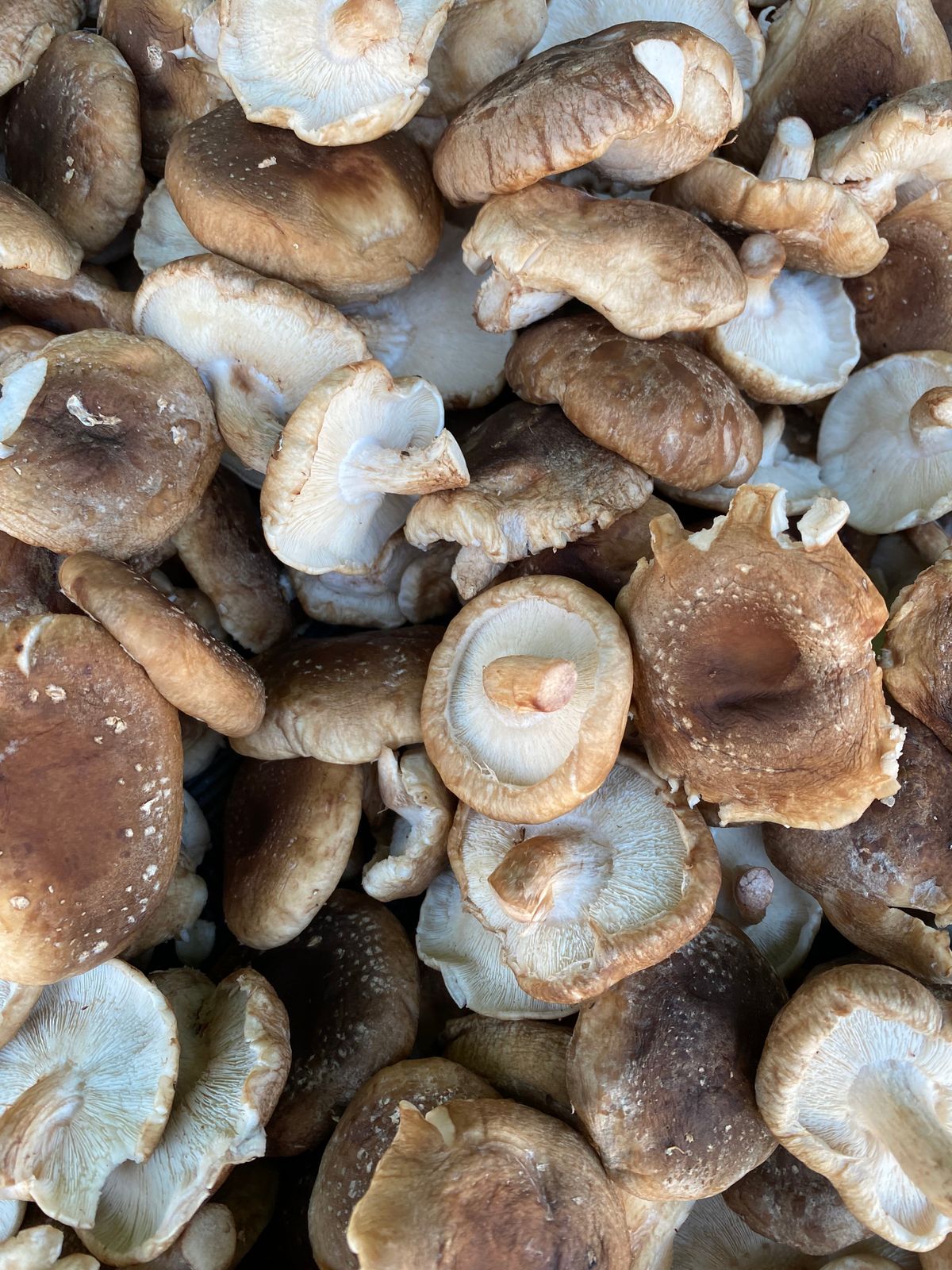
Close-up of textured brown shiitake mushroom caps

The shiitake

Lentinula edodes

Earthy character. A satisfying bite. The one to reach for when a broth needs a little more depth.

A note for your kitchen

Trim the tough stems and save them for stock. Cook the caps thoroughly; add them to rice, noodles or a warm bowl of broth.

A culinary introduction, not a guide to identifying wild mushrooms.

OUR WORLD

Good things
grow from
curiosity.

Follow a simple route from growing material to the kitchen. Meet mycelium, look at different stages of mushroom growth and explore what makes each mushroom different at the table.

Part growing room. Part classroom.
Always a place at the table.

Meet the mycelium.

Begin with the fine fungal network that grows through prepared material. It is the starting point for the growing session.

Explore how mushrooms take shape.

Look closely at a growing block and learn what to notice at different stages of mushroom growth.

Bring it to the table.

Compare varieties through texture, aroma and cooking, connecting the growing process with the food on your plate.

COME GET CURIOUS

No green thumb required.

Less scrolling.
More growing.

A growing block, a shared meal or a peek behind the scenes. Find the kind of curious that feels like you.

BEFORE YOU ASK

Good
questions.

Do I need any growing experience?

The introductory growing session is for complete beginners. Each experience lists its level and what it covers.

Can I book a private group?

Choose an experience and include your group size and preferred timing in the enquiry draft.

What happens to my enquiry?

It becomes a text draft on your device. Nothing is sent to a farm or stored in a database. You can download the draft, then close the window to clear the form.

AT THE TABLE

A place at
the table.

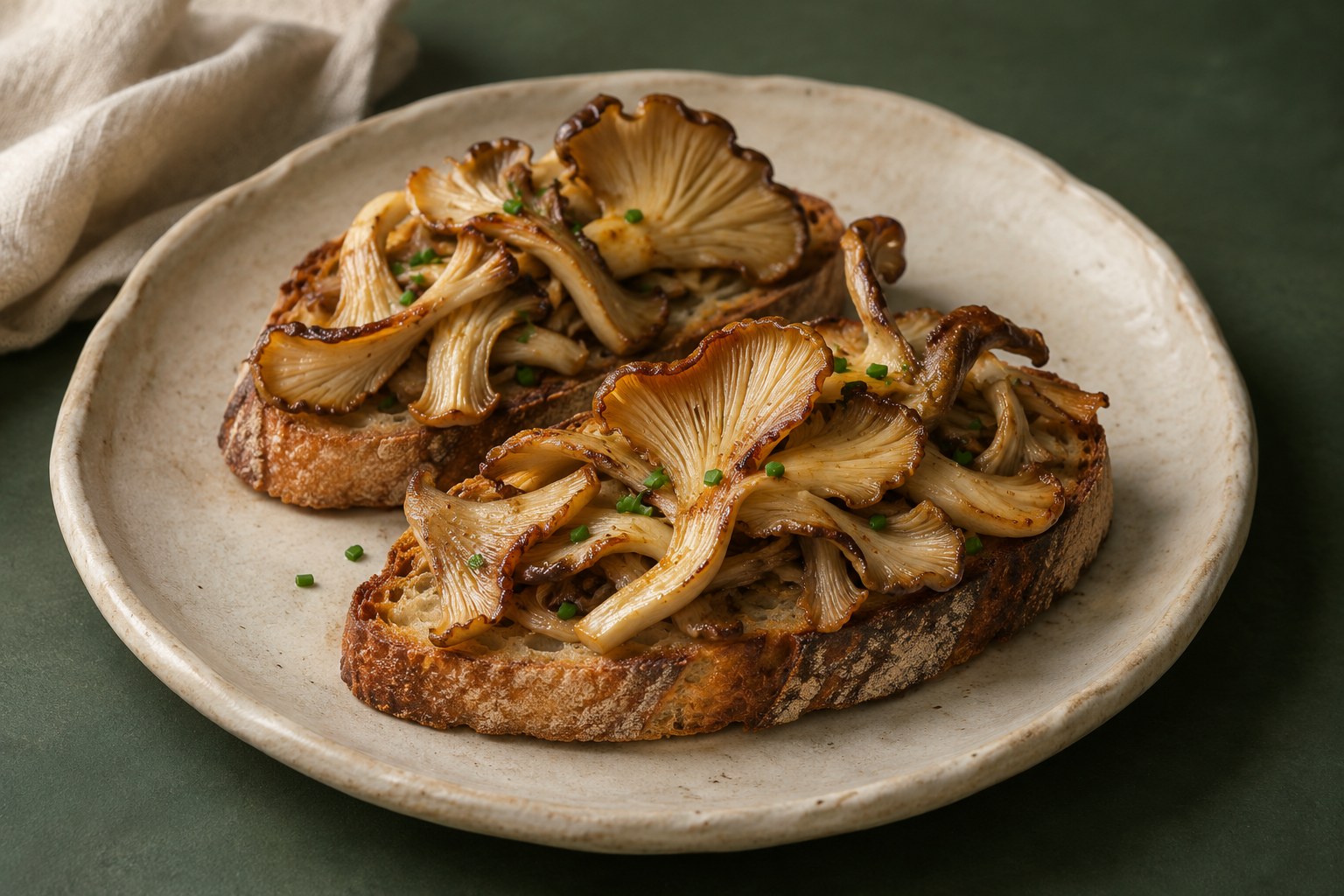
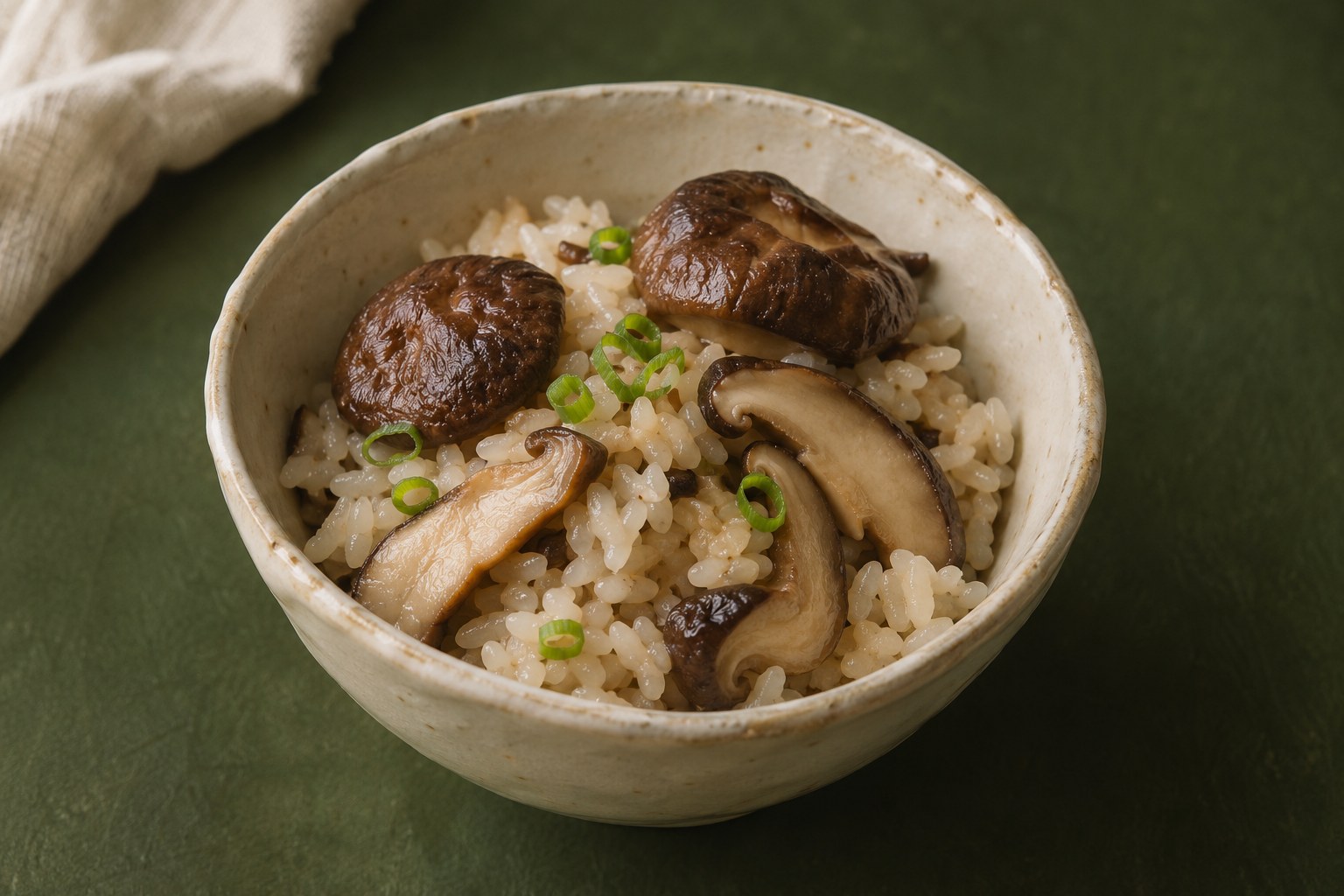
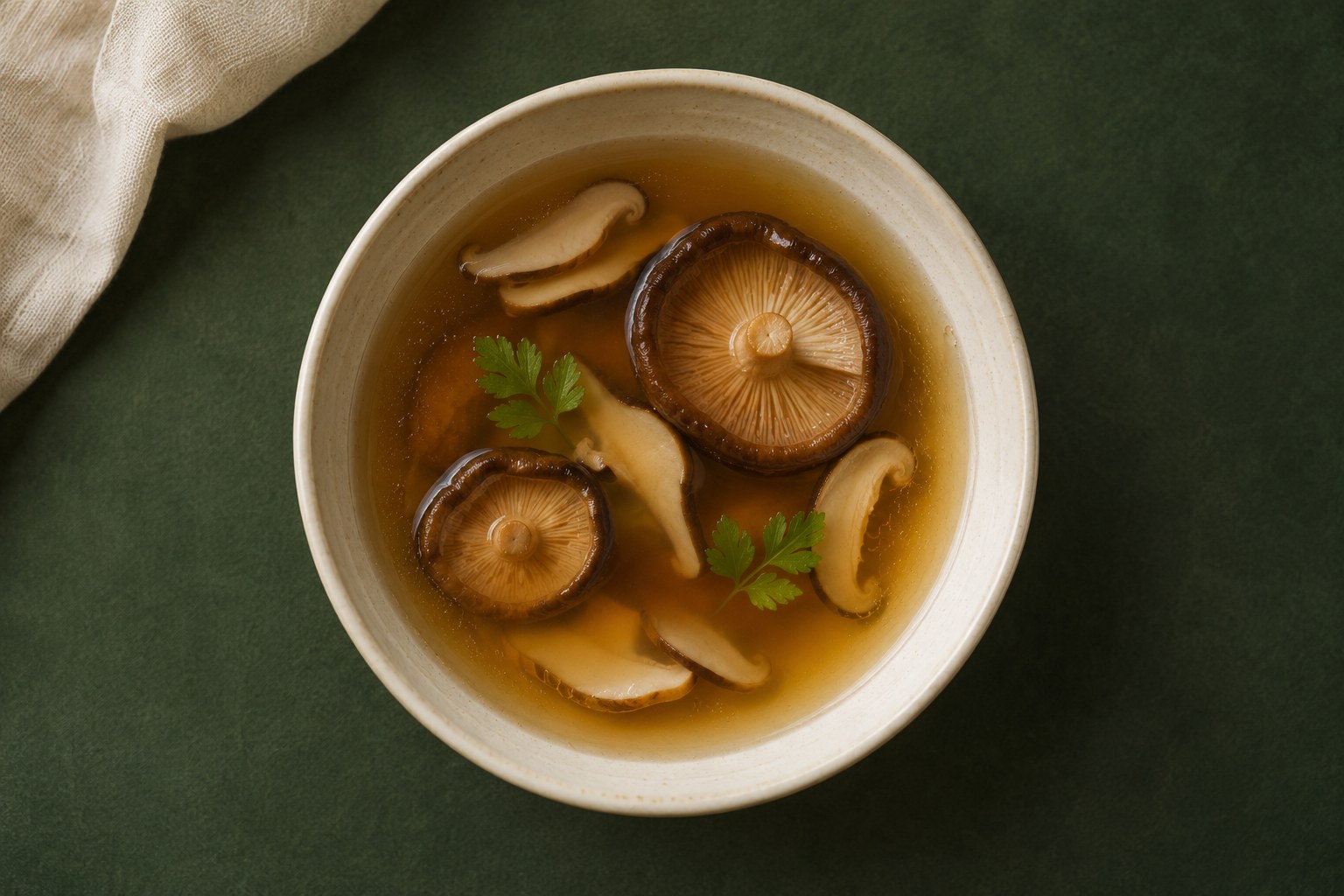
Three ways to bring shape and texture to the table. A toast, a bowl of rice and a clear broth.

A CLOSER LOOK

Small notes.
New perspectives.

A few useful words for the names and shapes you meet on this page. Take a moment to look more closely.

A familiar name, a precise name

Oyster and shiitake are names we meet in the kitchen. Scientific names add another kind of detail.

Read noteClose note

In the harvest section, “oyster” sits beside Pleurotus ostreatus, while shiitake sits beside Lentinula edodes. The familiar names make an easy starting point. The scientific names let us say more precisely which species the description is about, without relying only on a name used in a particular language.

A scientific species name has two parts. Pleurotus is the genus; ostreatus is the specific epithet. Together, Pleurotus ostreatus is the species name. The same pattern gives us Lentinula edodes. The genus begins with a capital letter, the epithet with a lower-case letter, and the pair is normally written in italics.

These naming systems do different jobs. A common name can be memorable and useful in everyday conversation, but it need not map neatly to a single species everywhere. Here, the paired labels connect the kitchen names on our page with the two scientific names above.

Cap, gills, stem: looking more closely

A small vocabulary for noticing the shapes in oyster mushrooms and shiitake.

Read noteClose note

The cap is the broad upper part of a familiar cap-and-stem mushroom. Beneath it, the gills form thin plates. The stem, also called a stalk, supports the cap. These words let us describe separate parts, instead of treating the whole mushroom as one undifferentiated shape.

The underside has a role beyond its striking pattern. In a gilled mushroom, spores are produced on the gills beneath the cap. The upper surface and underside show different features of the same fruiting body; a cap-only photograph leaves some of that structure out of view.

This is one common arrangement, rather than a rule for every fungus. Some fruiting bodies have pores instead of gills, and some have no stem. The vocabulary helps direct attention to the forms pictured here: a cap’s sweep, the lines underneath, and the point where a stem meets it.
A WHOLE KINGDOM AWAITS.

Let’s grow
something good.

Find your
workshop
YOUR NEXT GOOD QUESTION

Get a little
closer.

Create a workshop enquiry draft on your device. Nothing is sent and no place is reserved.