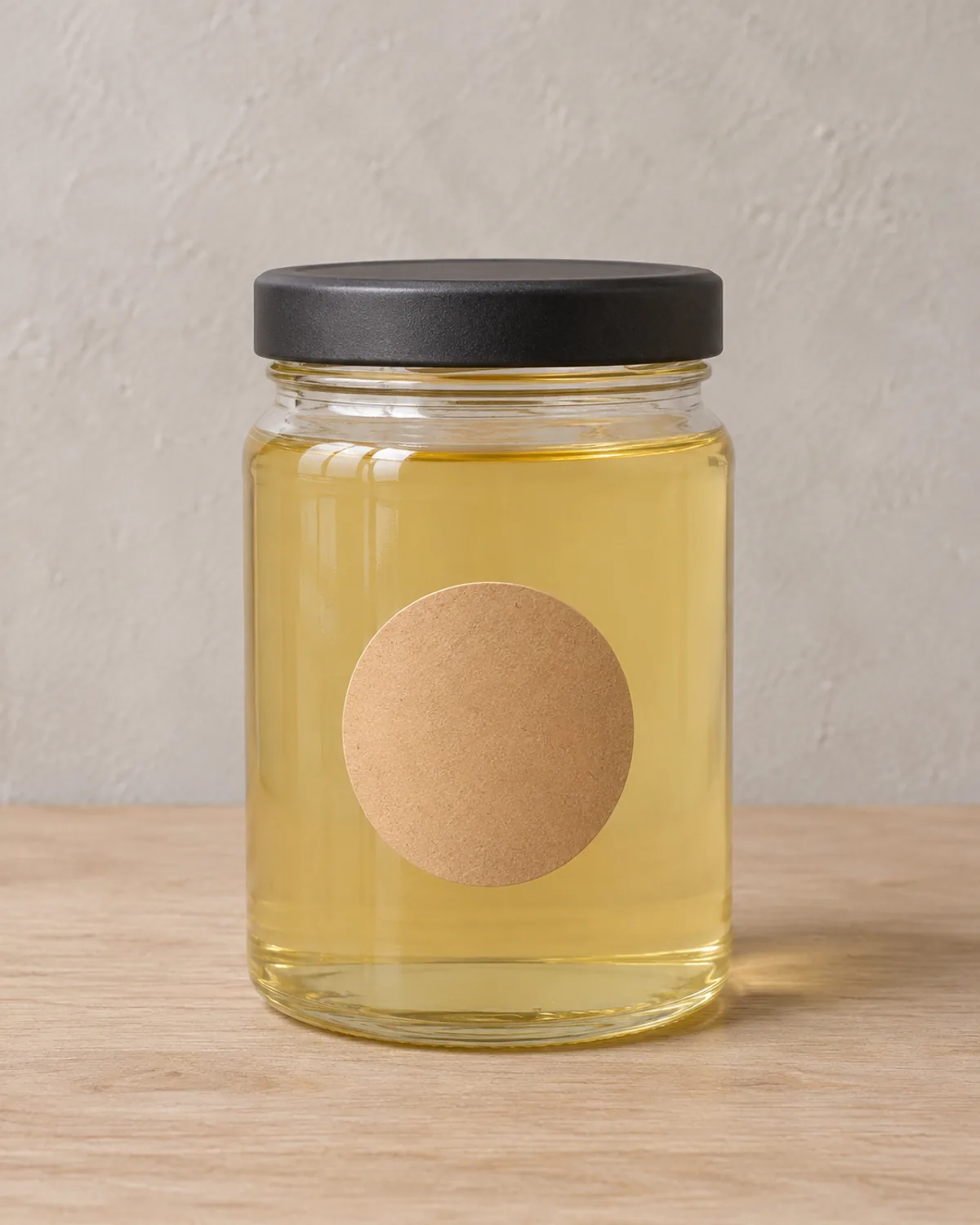
Family apiary in the Kyiv region · 2026 harvest
Honey we know by the month it was harvested
Our hives travel with the bloom: acacia, meadow, linden, sunflower, buckwheat. Every jar shows the variety, month and place of harvest.
- Nova Poshta across Ukraine
- dispatch in 1–3 working days
- pay on receipt
Harvest calendar
Pick a month to see which honey we harvested then and whether it's in stock now.
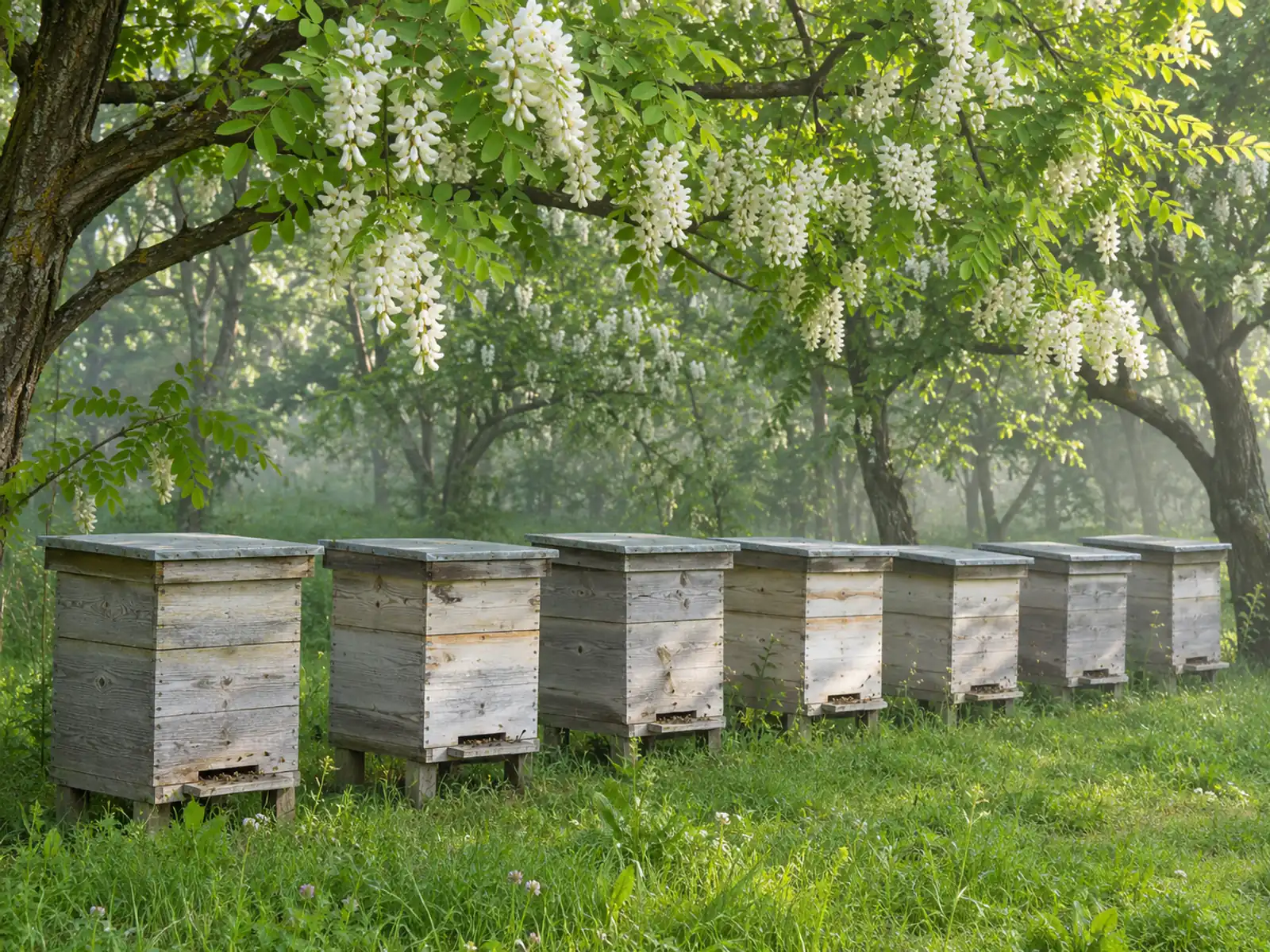
May · 2026 harvest
Acacia honey
- Taste
- Delicate and mild, with a hint of vanilla
- Aroma
- Light and floral
- How it sets
- Slowly: stays runny for months
- Goes with
- Tea, yoghurt, cheese, a child's breakfast
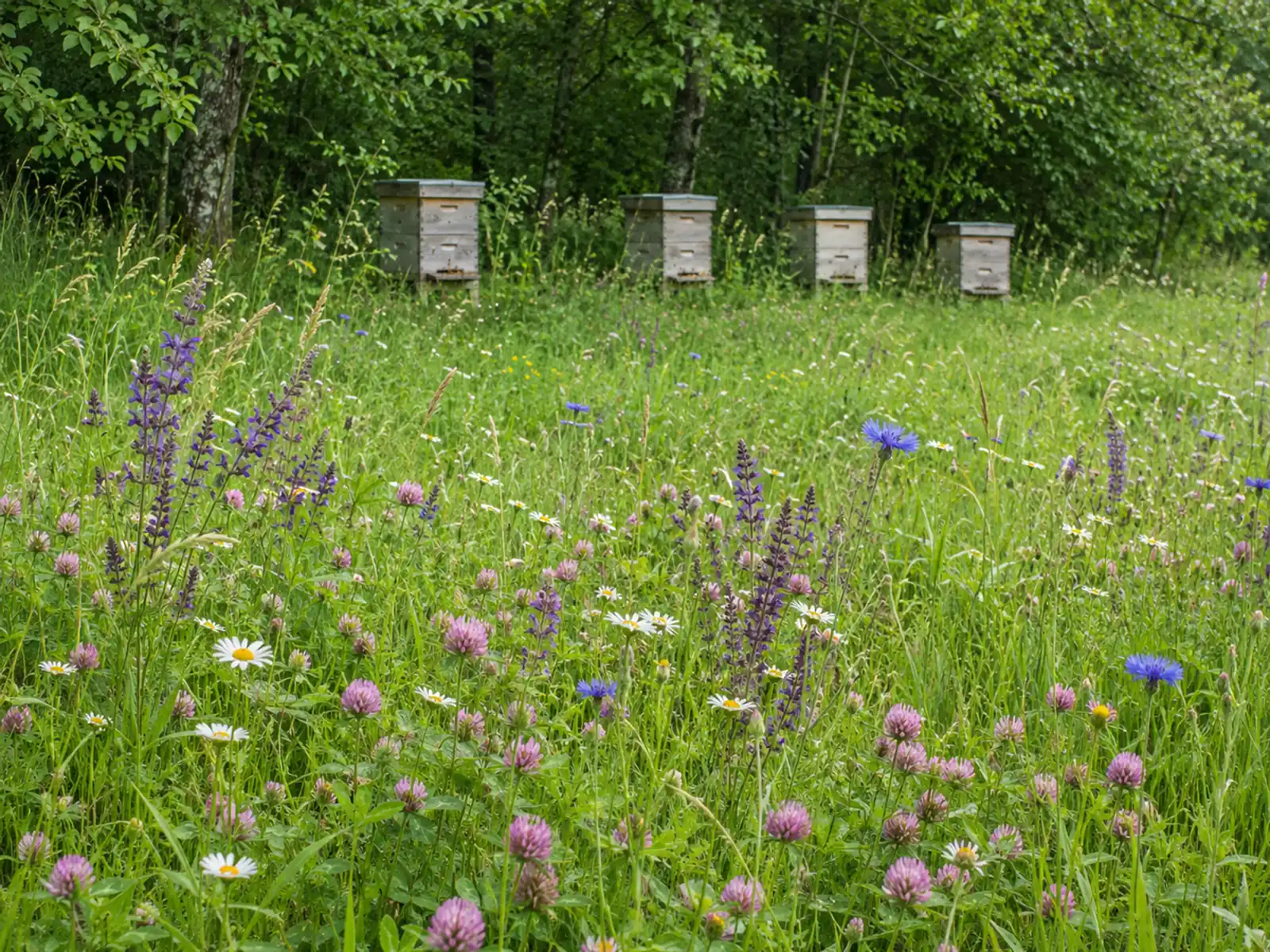
June · 2026 harvest
Wildflower honey
- Taste
- Full-bodied; varies a little from batch to batch
- Aroma
- Meadowy, herbal
- How it sets
- Moderately: thickens over a few months
- Goes with
- Baking, porridge, marinades
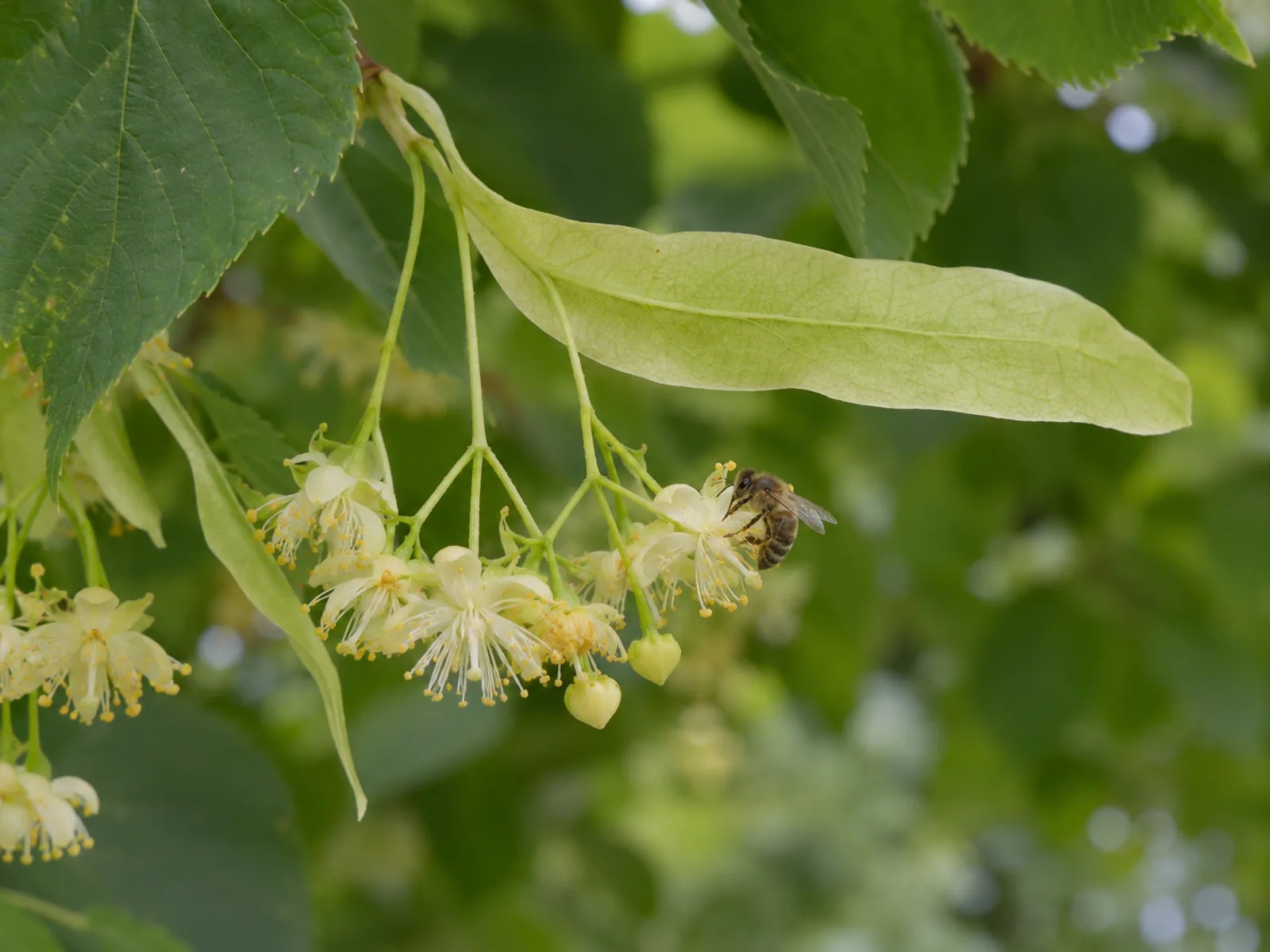
July · 2026 harvest
Linden honey
- Taste
- Bright, with a light minty coolness
- Aroma
- Strong, like linden blossom
- How it sets
- Moderately: thickens by winter
- Goes with
- Herbal tea, cottage cheese pancakes, glaze
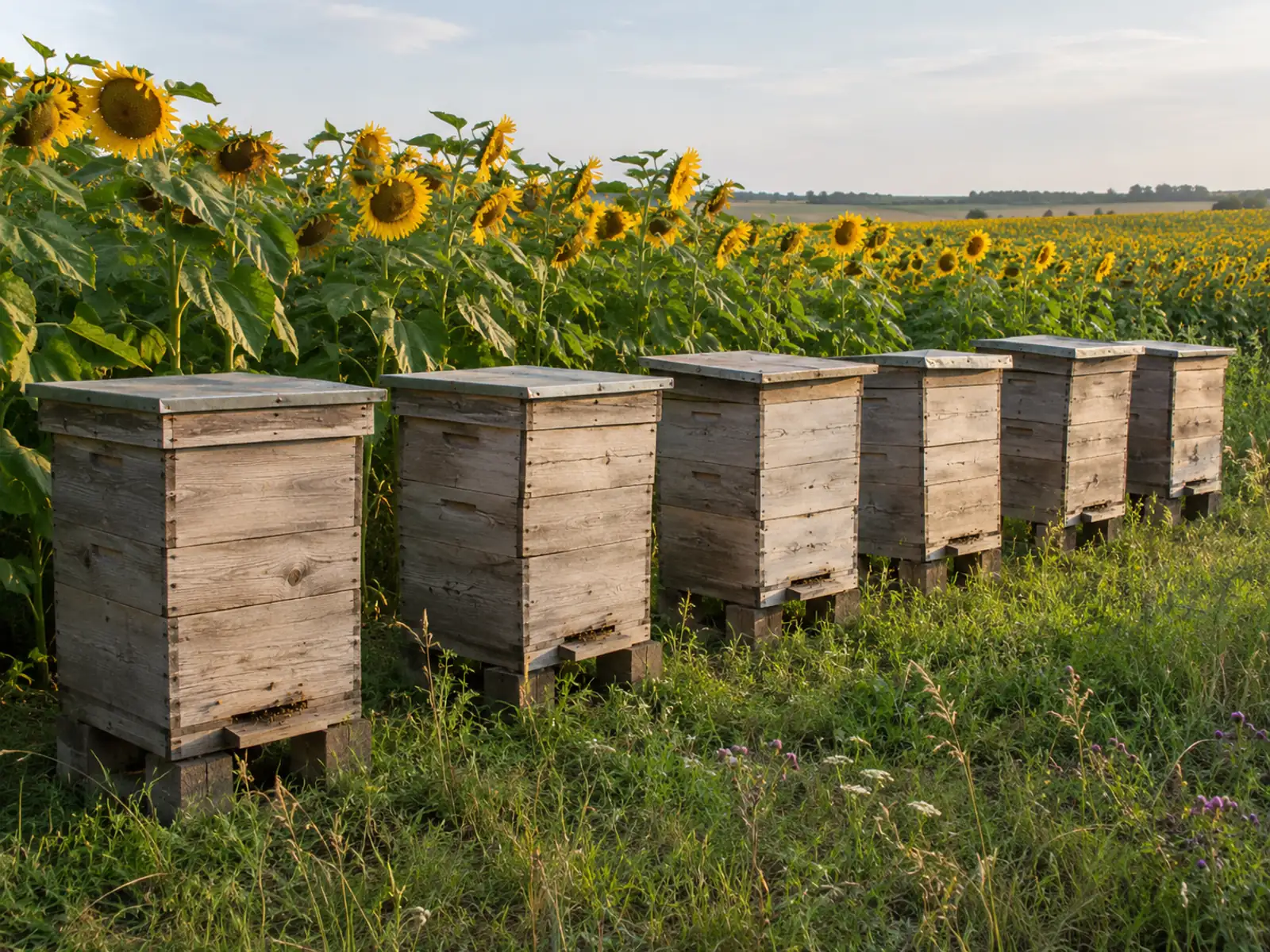
July–August · 2026 harvest
Sunflower honey
- Taste
- Sweet and simple, slightly tangy
- Aroma
- Faint
- How it sets
- Quickly: within a few weeks, with fine crystals
- Goes with
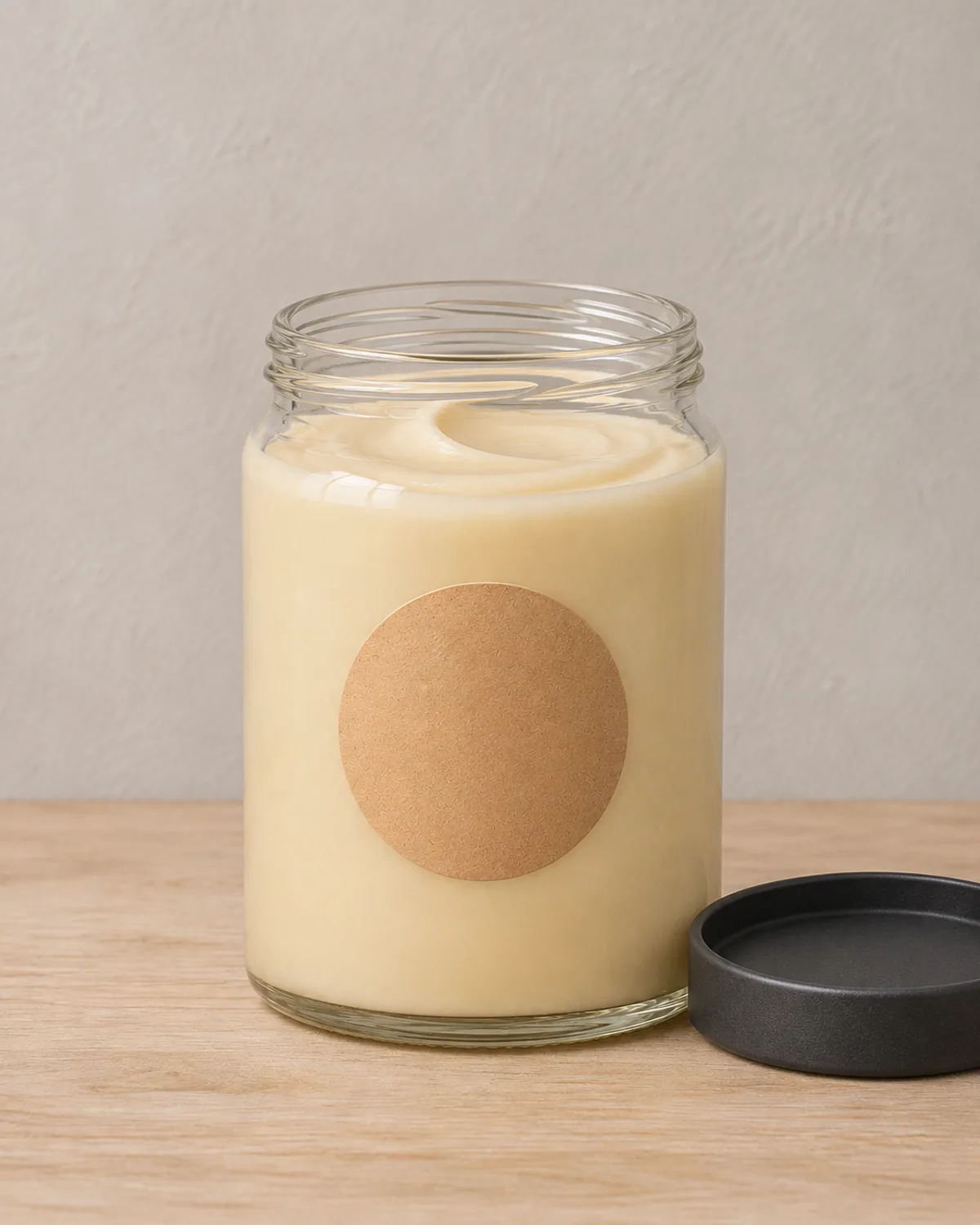
- On bread, for creamed honey
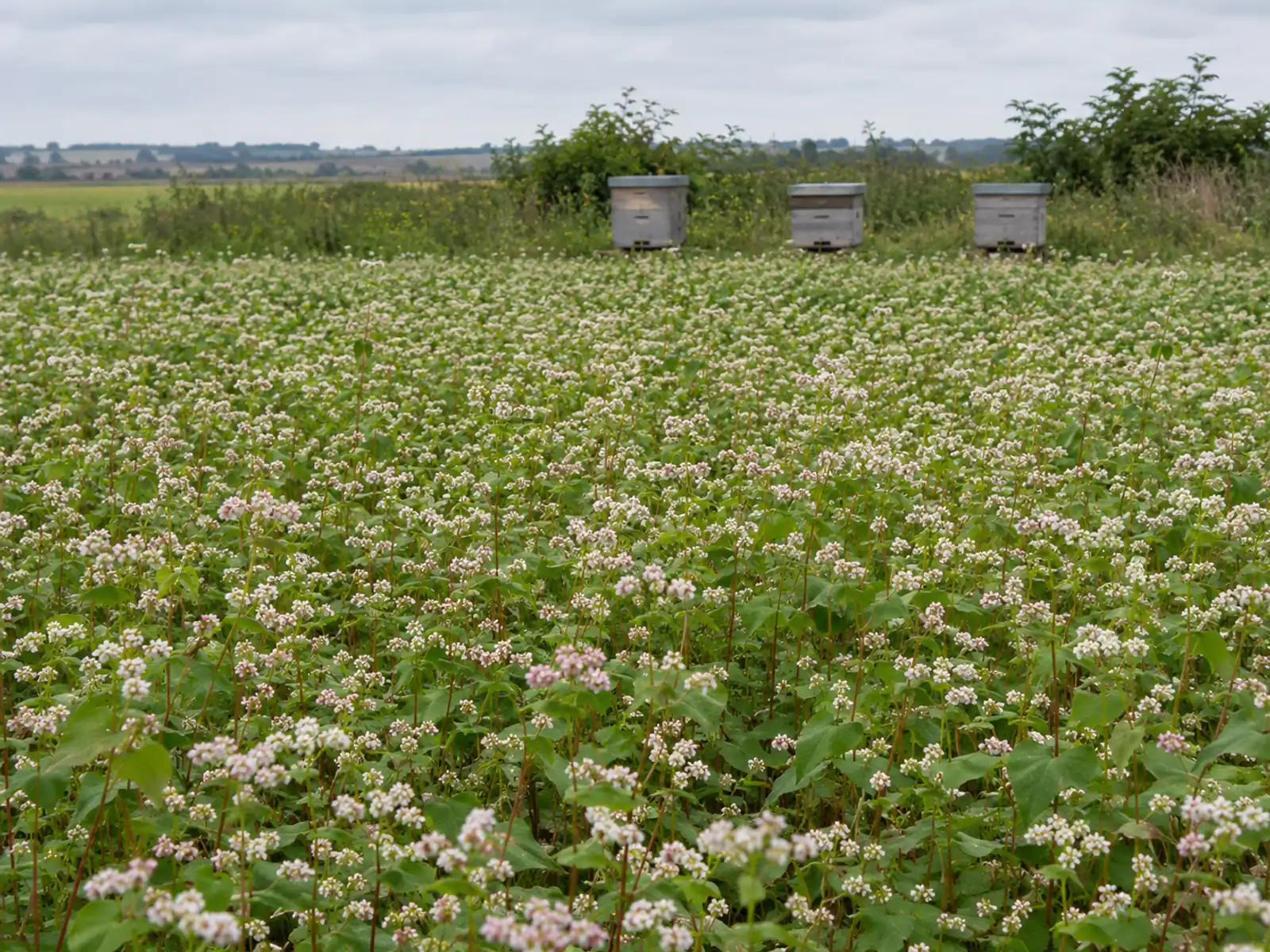
August · 2026 harvest
Buckwheat honey
- Taste
- Rich and tart, with a bitter edge
- Aroma
- Strong, spicy
- How it sets
- Moderately, with coarse crystals
- Goes with
- Honey cakes, sauces for meat, black tea
Honey harvest 2026
Prices are per jar. Net weight is how much honey is inside, not counting the glass.
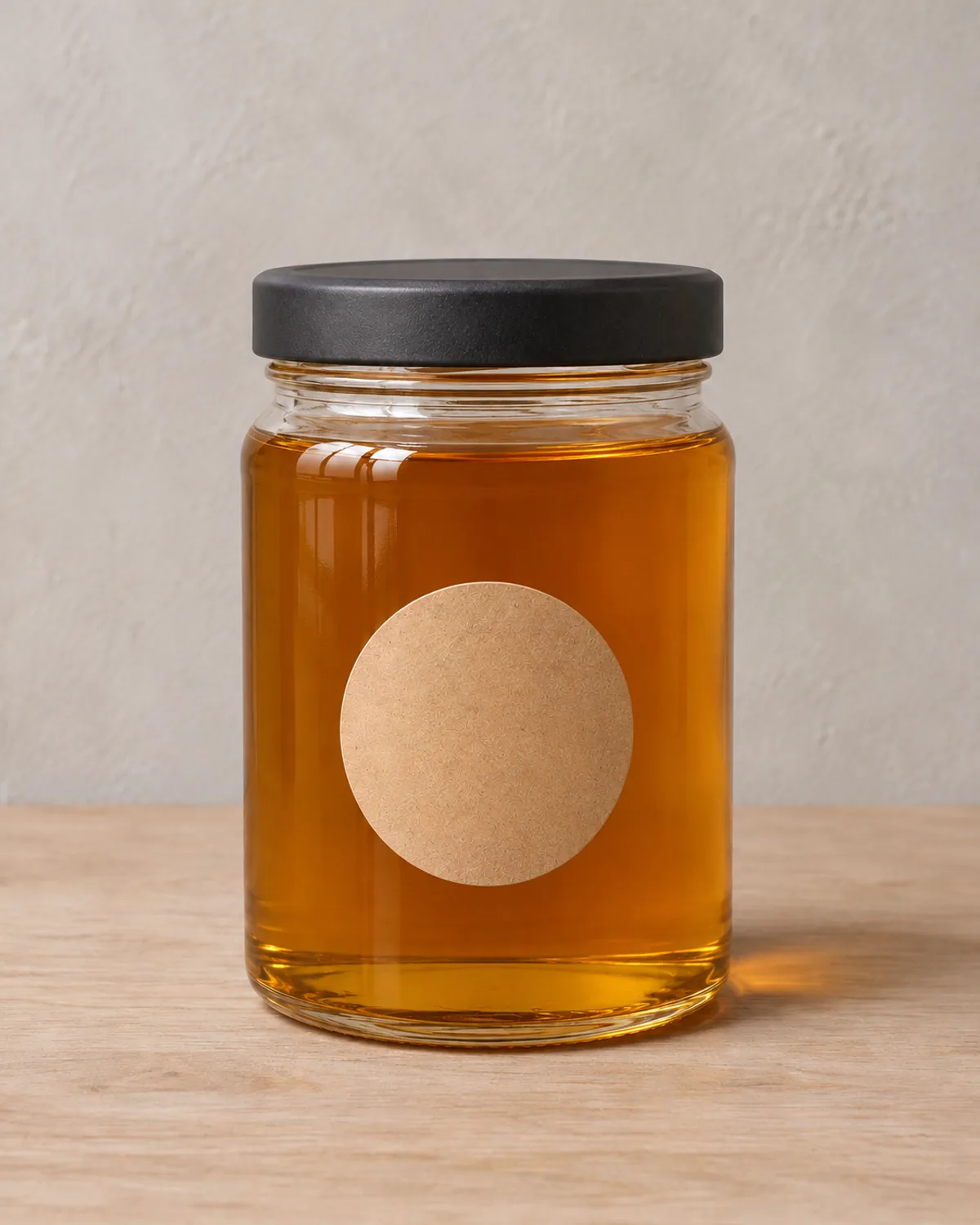
Wildflower honey
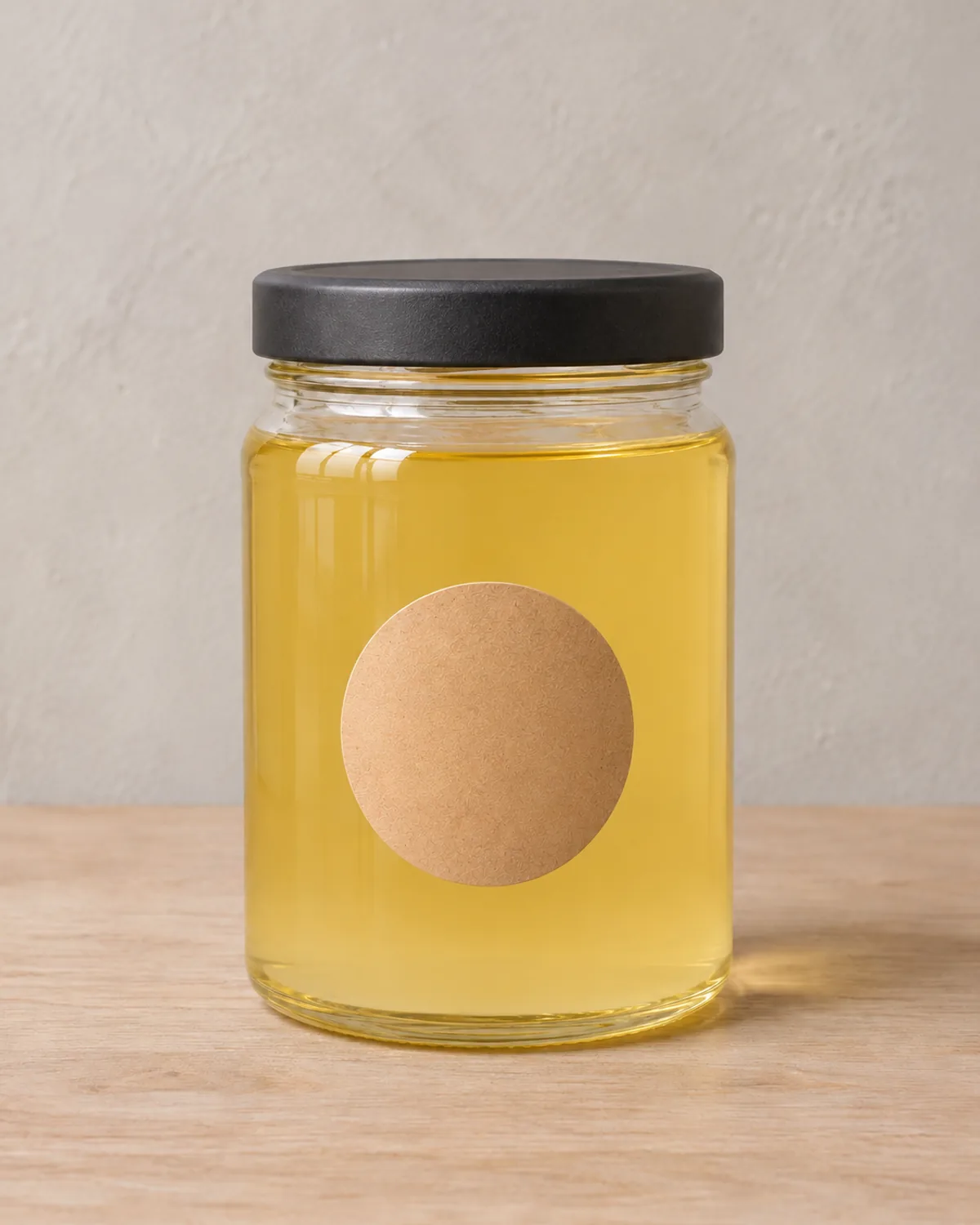
Linden honey
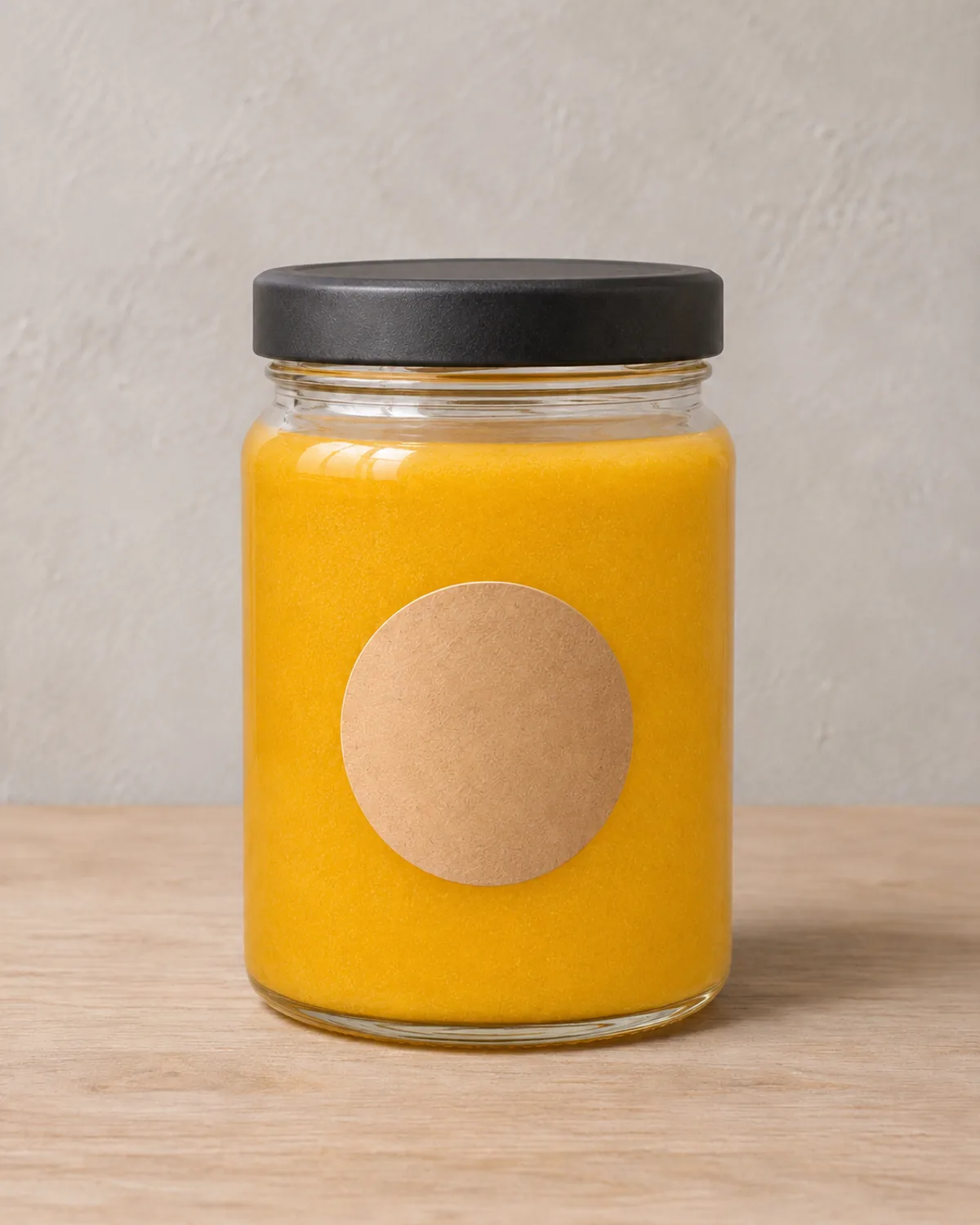
Sunflower honey
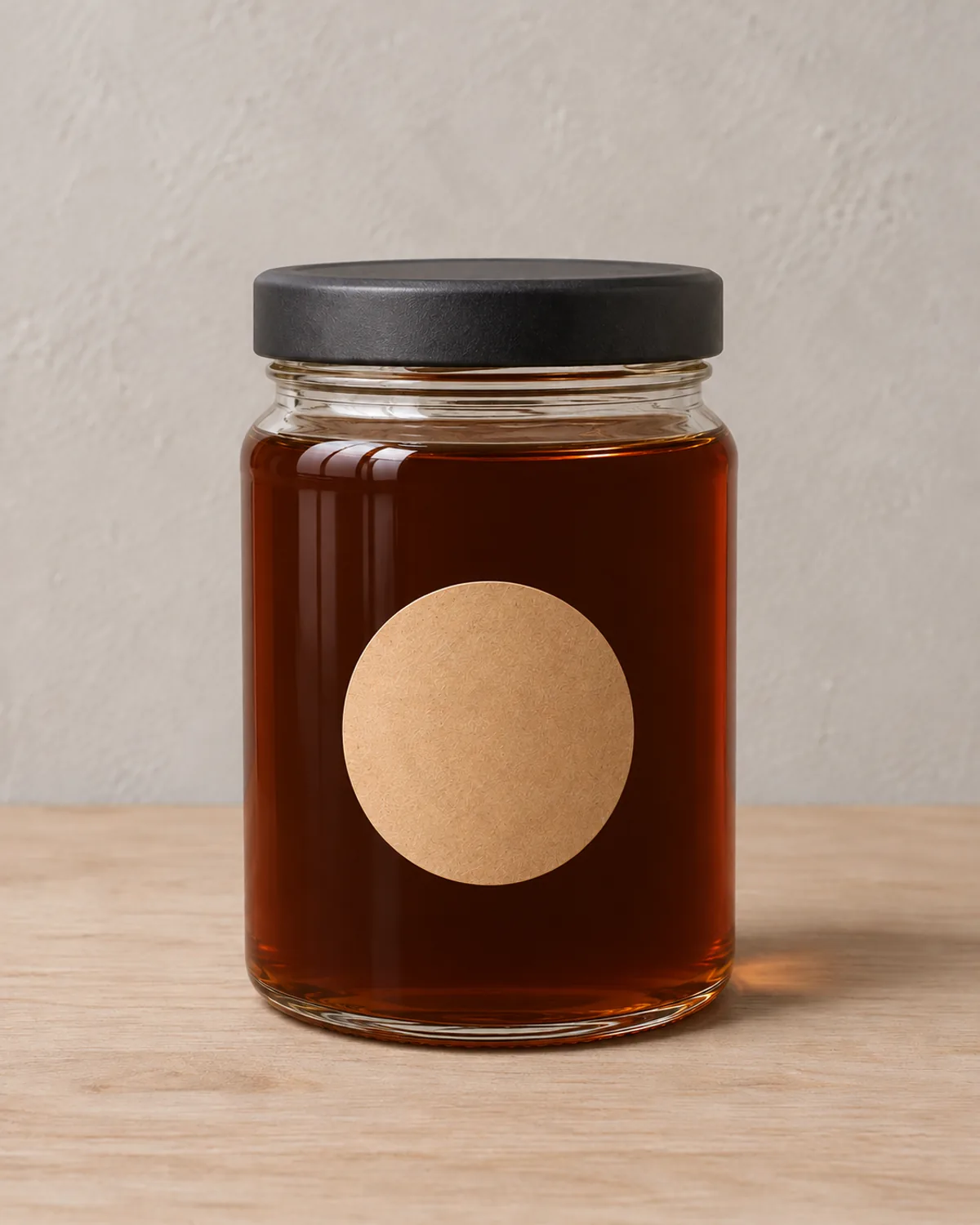
Buckwheat honey
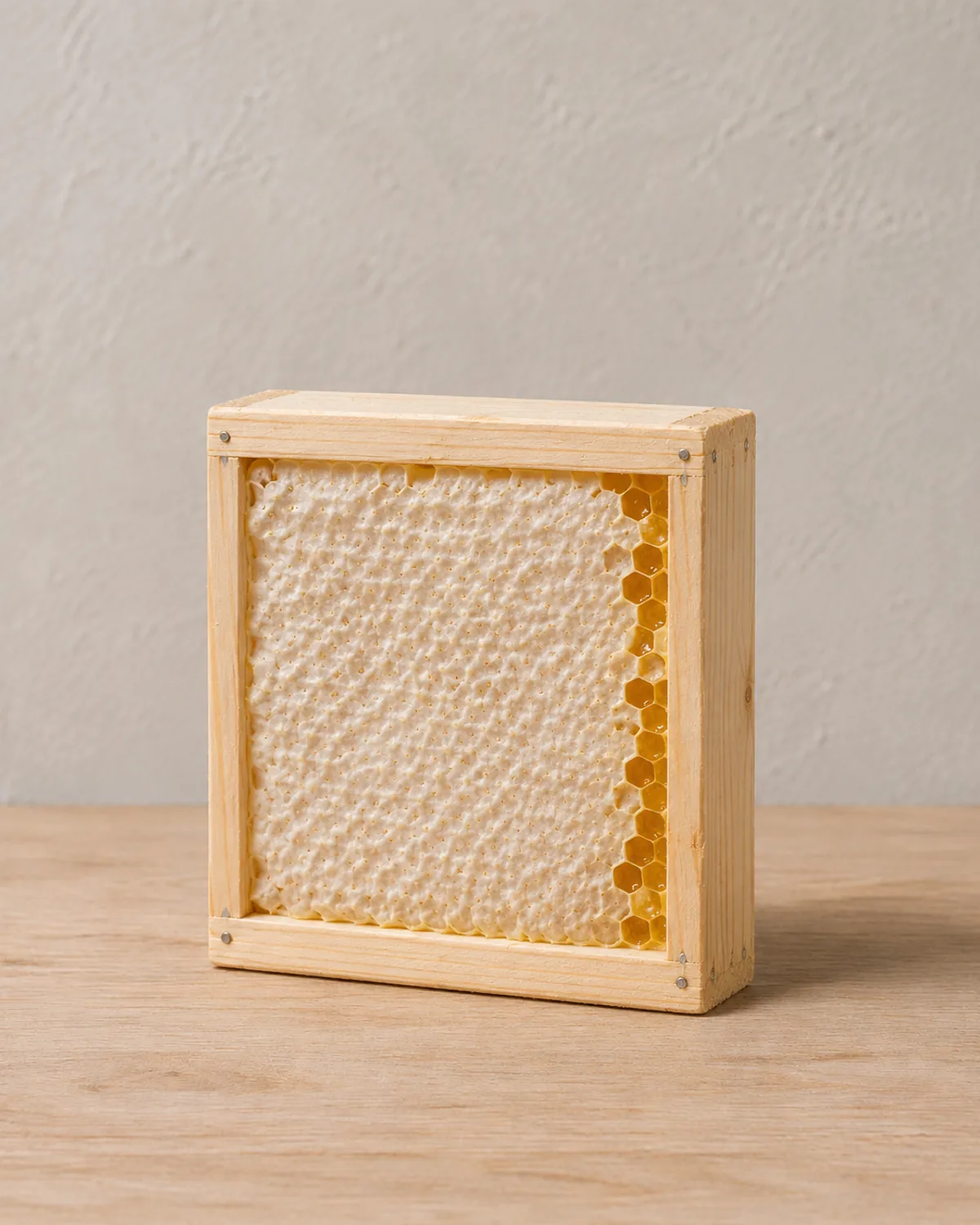
How to choose honey
Five varieties, the same questions. The lighter the honey, the milder it is; the darker, the richer.
| Variety | Colour | Taste | Aroma | How it sets | Goes with | Choose variety |
|---|---|---|---|---|---|---|
| Acacia | Pale, almost clear | Delicate and mild, with a hint of vanilla | Light and floral | Slowly: stays runny for months | Tea, yoghurt, cheese, a child's breakfast | Choose |
| Wildflower | Amber | Full-bodied; varies a little from batch to batch | Meadowy, herbal | Moderately: thickens over a few months | Baking, porridge, marinades | Choose |
| Linden | Pale yellow | Bright, with a light minty coolness | Strong, like linden blossom | Moderately: thickens by winter | Herbal tea, cottage cheese pancakes, glaze | Choose |
| Sunflower | Bright yellow | Sweet and simple, slightly tangy | Faint | Quickly: within a few weeks, with fine crystals | On bread, for creamed honey | Choose |
| Buckwheat | Dark brown | Rich and tart, with a bitter edge | Strong, spicy | Moderately, with coarse crystals | Honey cakes, sauces for meat, black tea | Choose |
The colour and how fast the honey sets vary a little from year to year: that's normal for natural honey.
Apiary
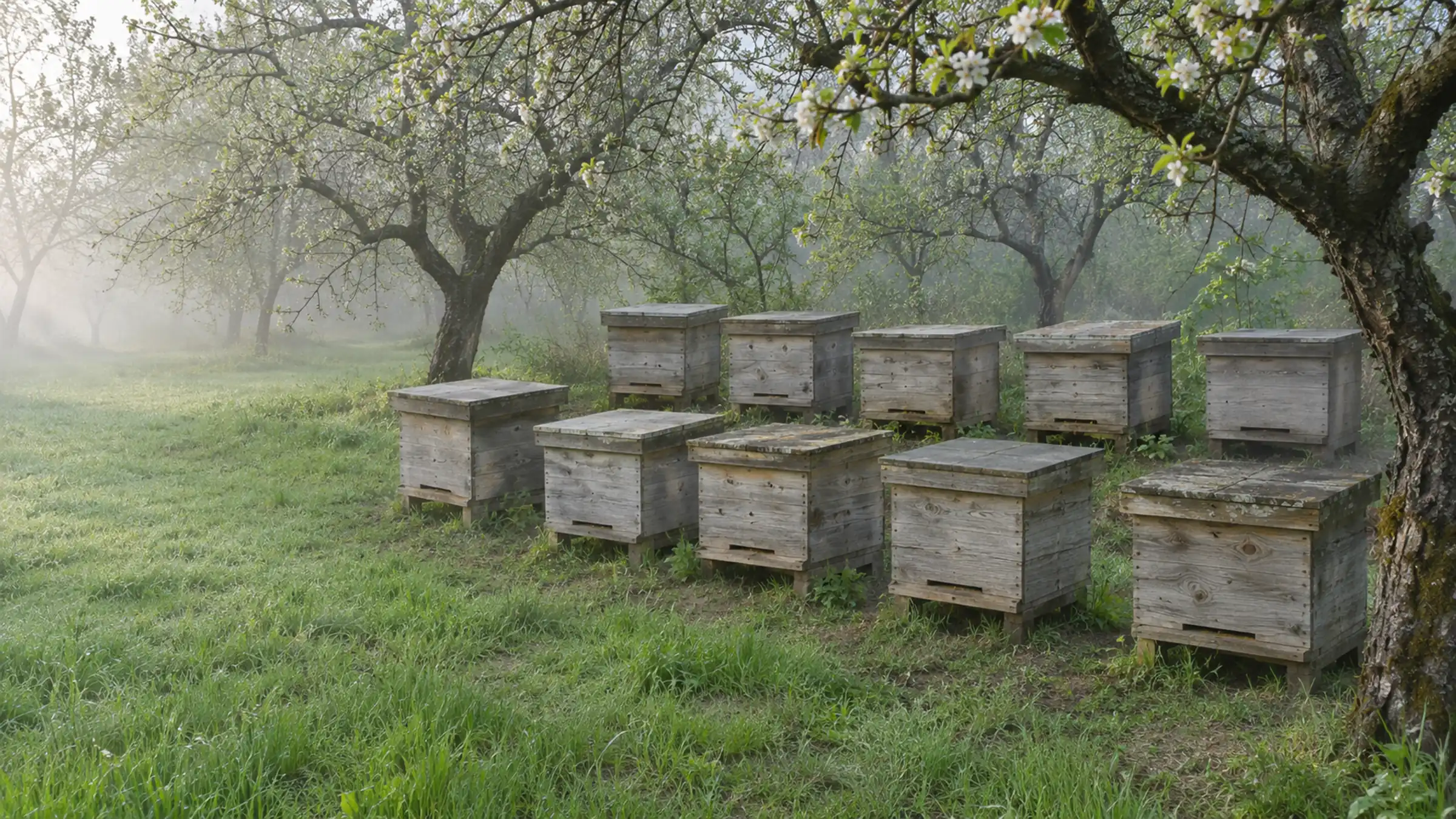
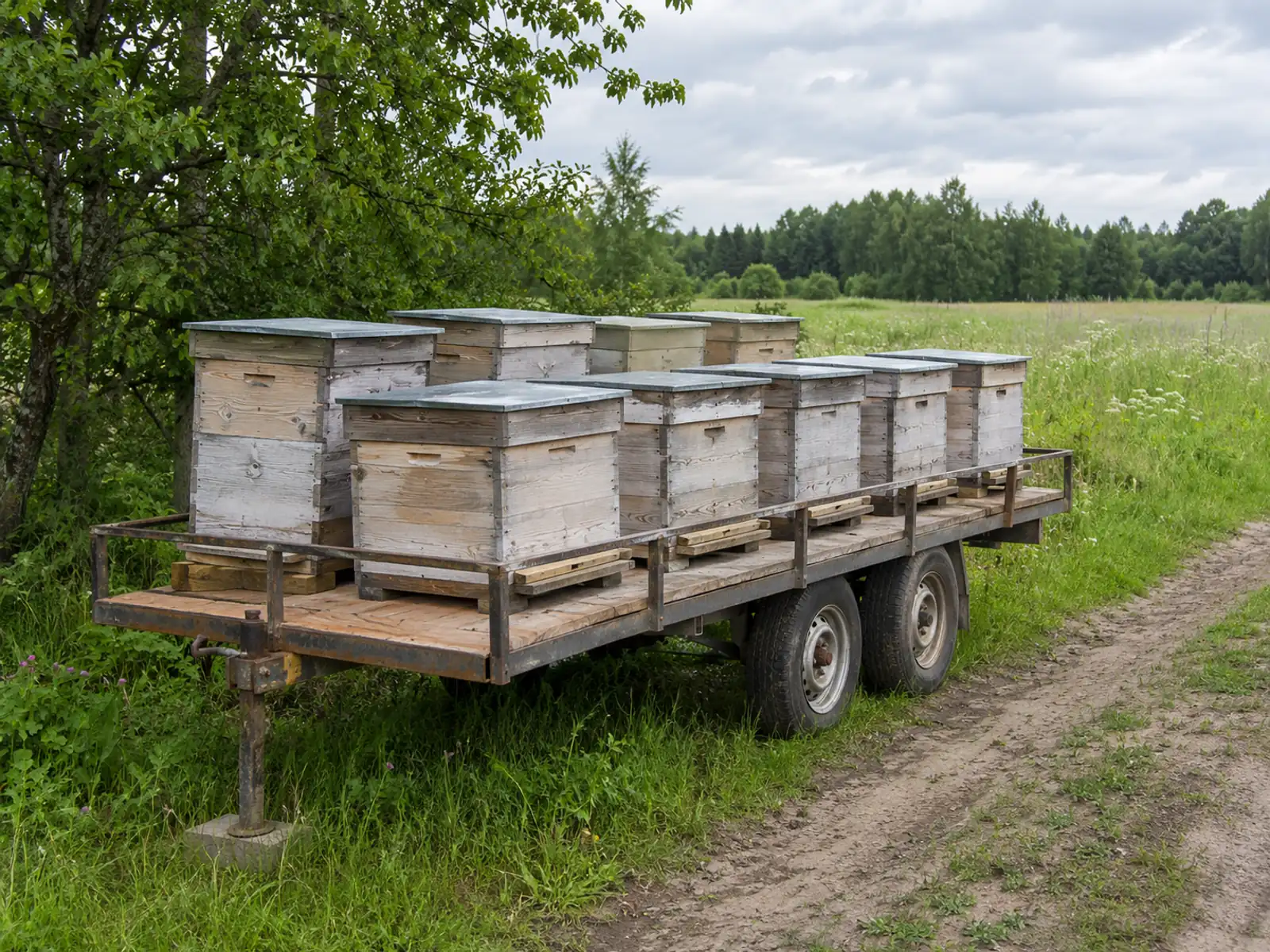
Our hives follow the bloom
We are Olena and Taras, and this is our family apiary. In winter the hives stay in the Obukhiv area, and from May we move them to wherever the honey plants are in bloom.
That way each variety comes from a single bloom, and we can honestly write on the jar what's inside and where it's from.
- Mayacacia groves near Obukhiv
- Junemeadows and woodland edges along the Stuhna
- Julylinden avenues and sunflower fields
- Augustbuckwheat fields of the Kyiv region
From frame to jar
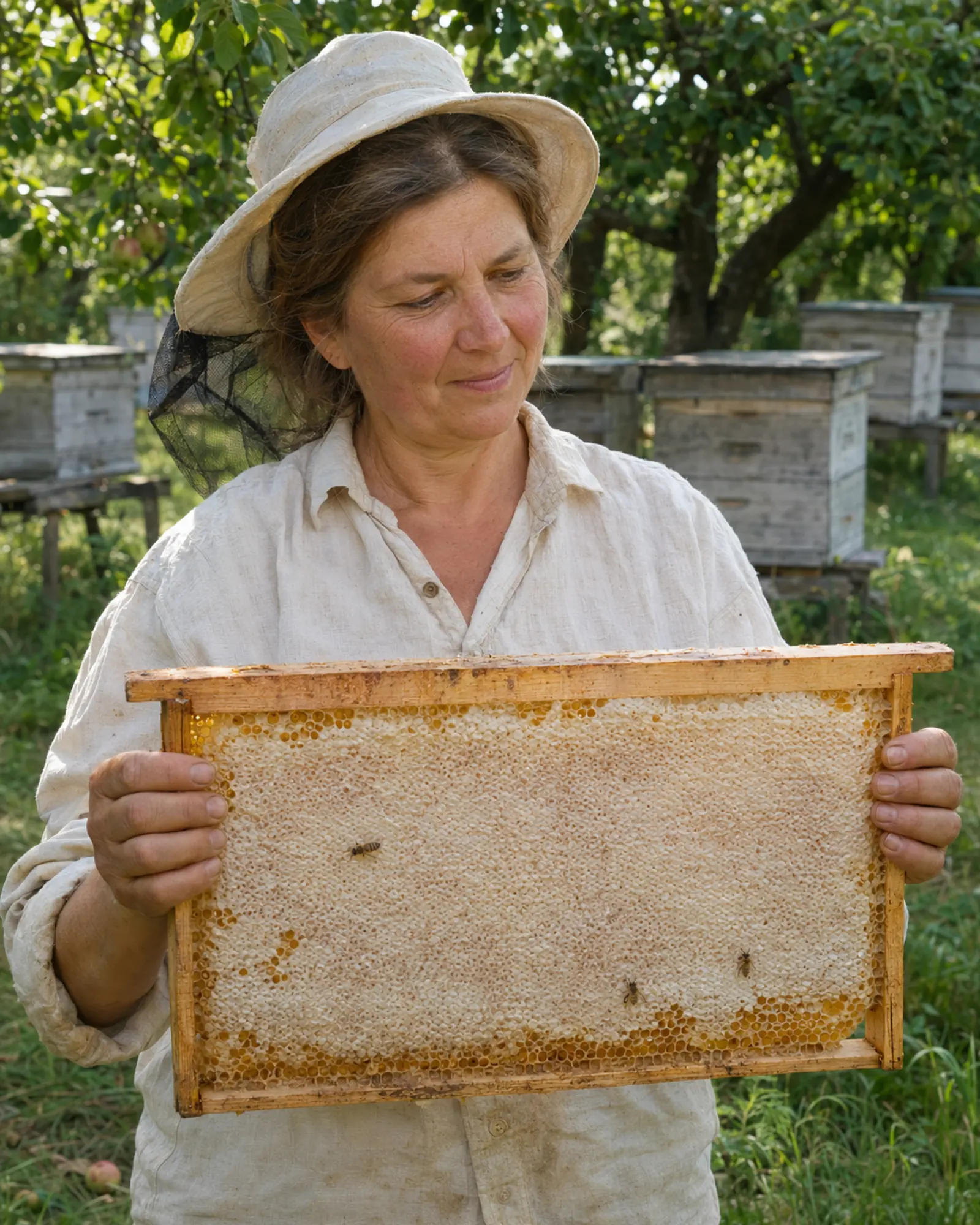
Five steps, and none of them changes the honey itself.
-
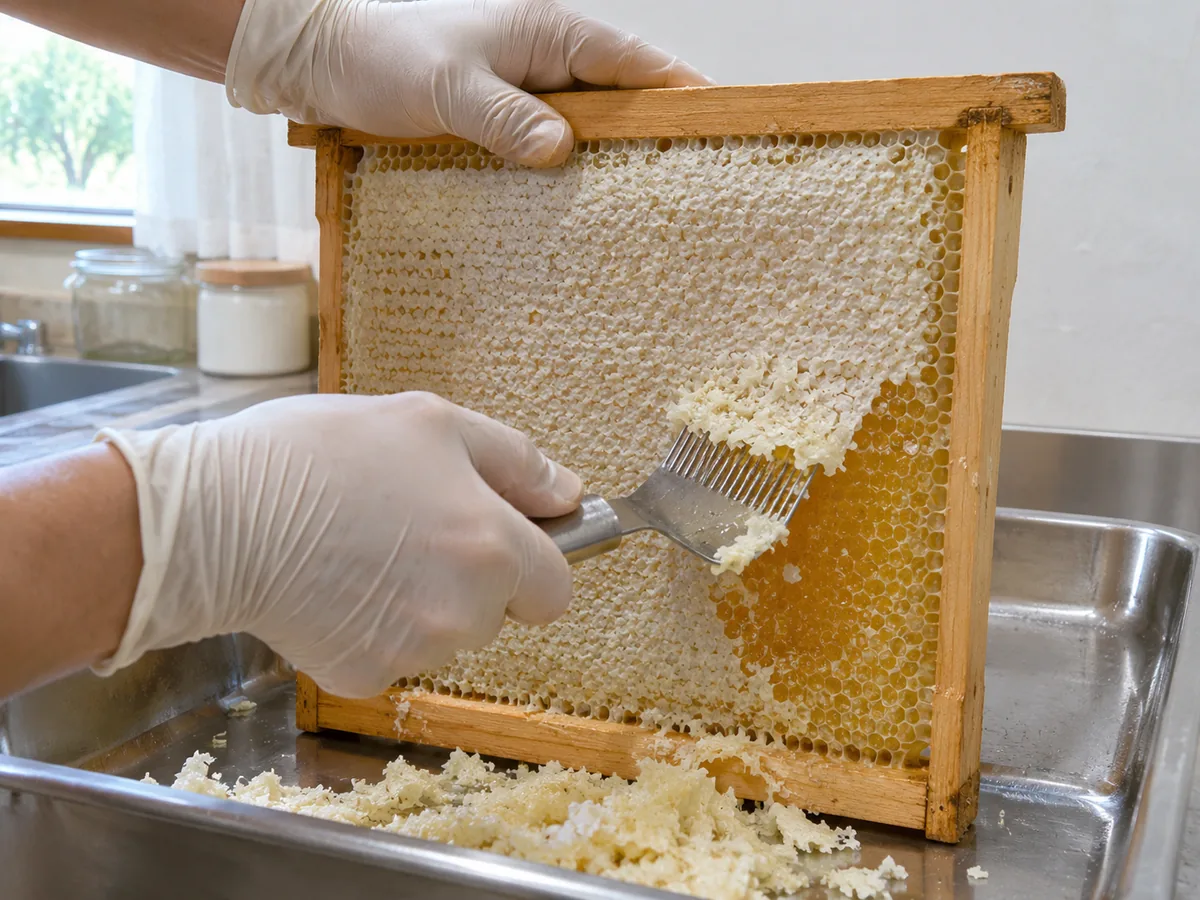
We take only capped frames
Bees cap a cell with wax once the honey is ripe. We slice these caps off with a knife.
-
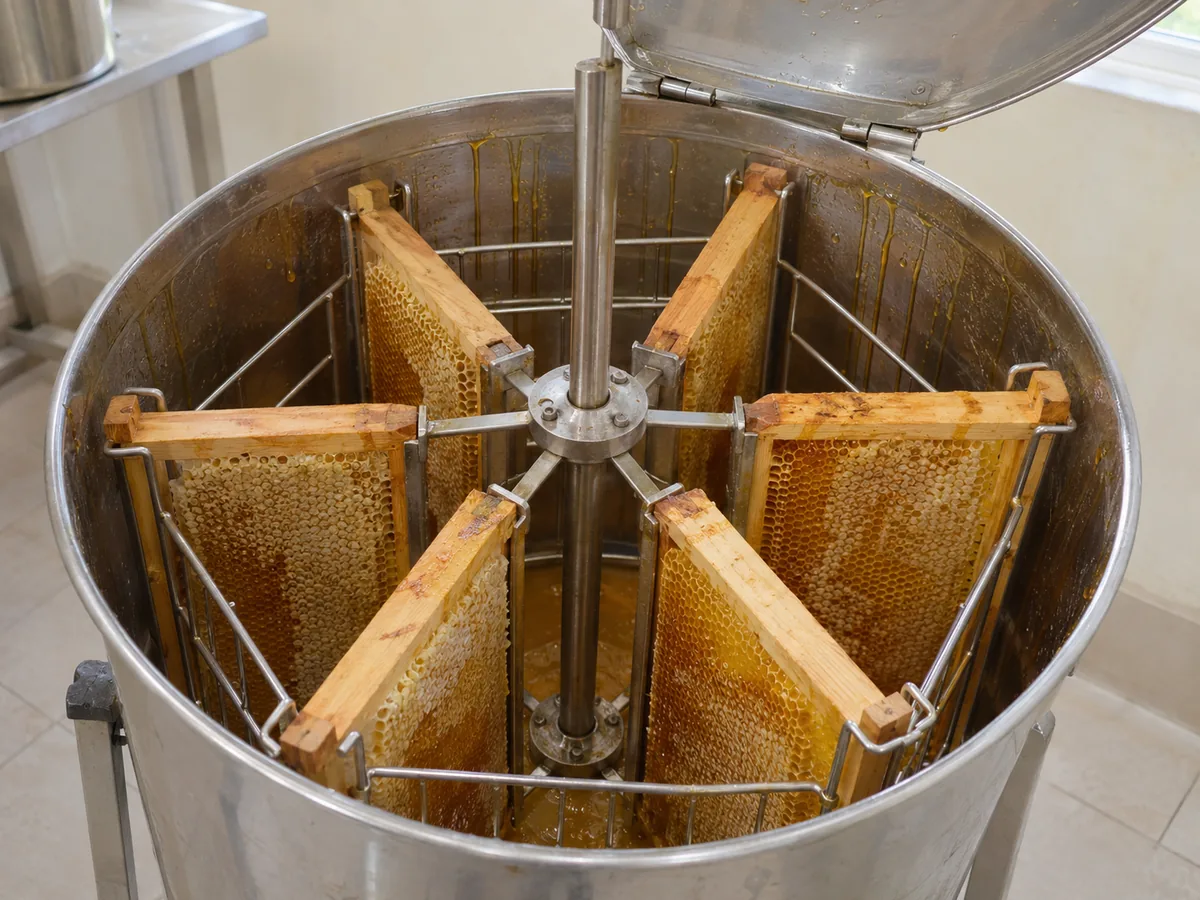
We extract
The extractor spins the frames and the honey runs down its walls. The empty combs go back into the hive.
-
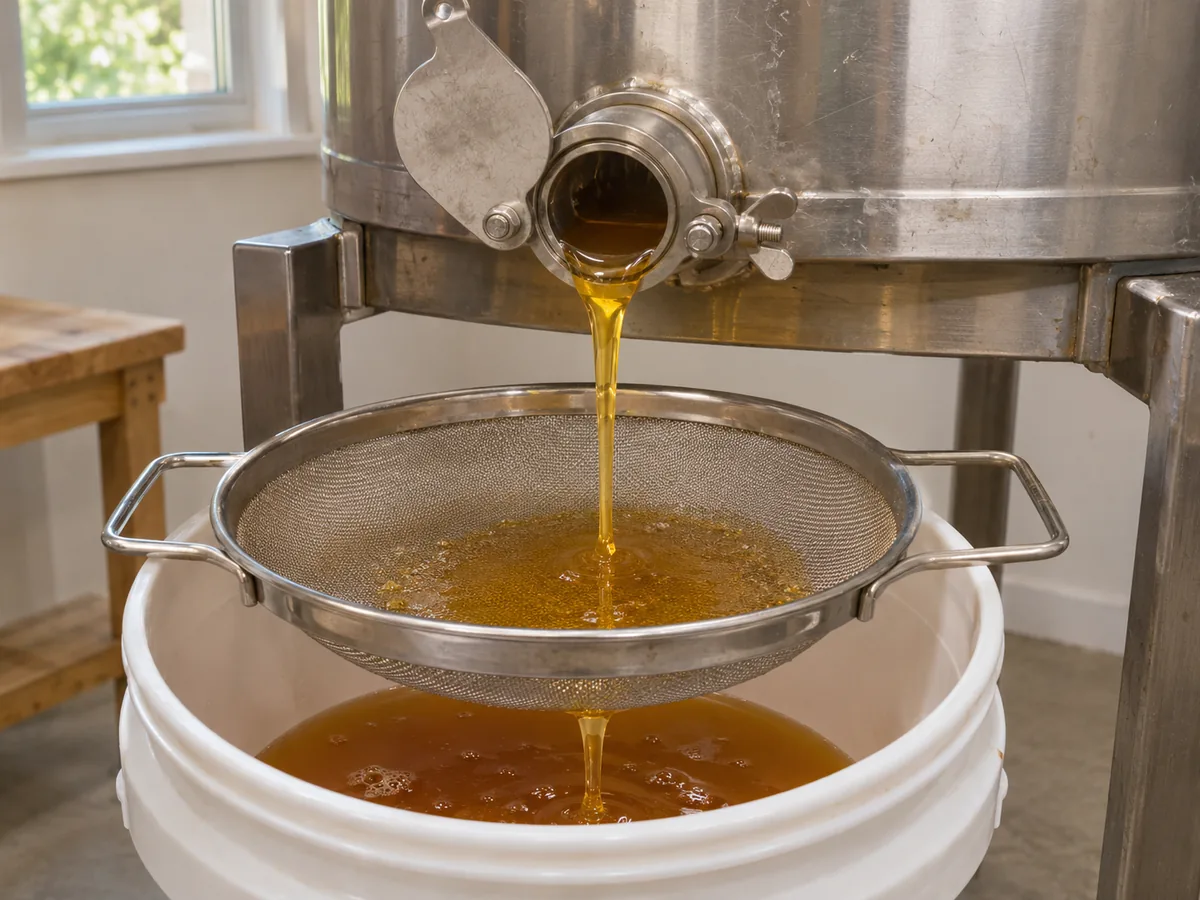
We let it settle
One to two weeks in a settling tank: air and bits of wax rise to the top, and we skim them off.
-
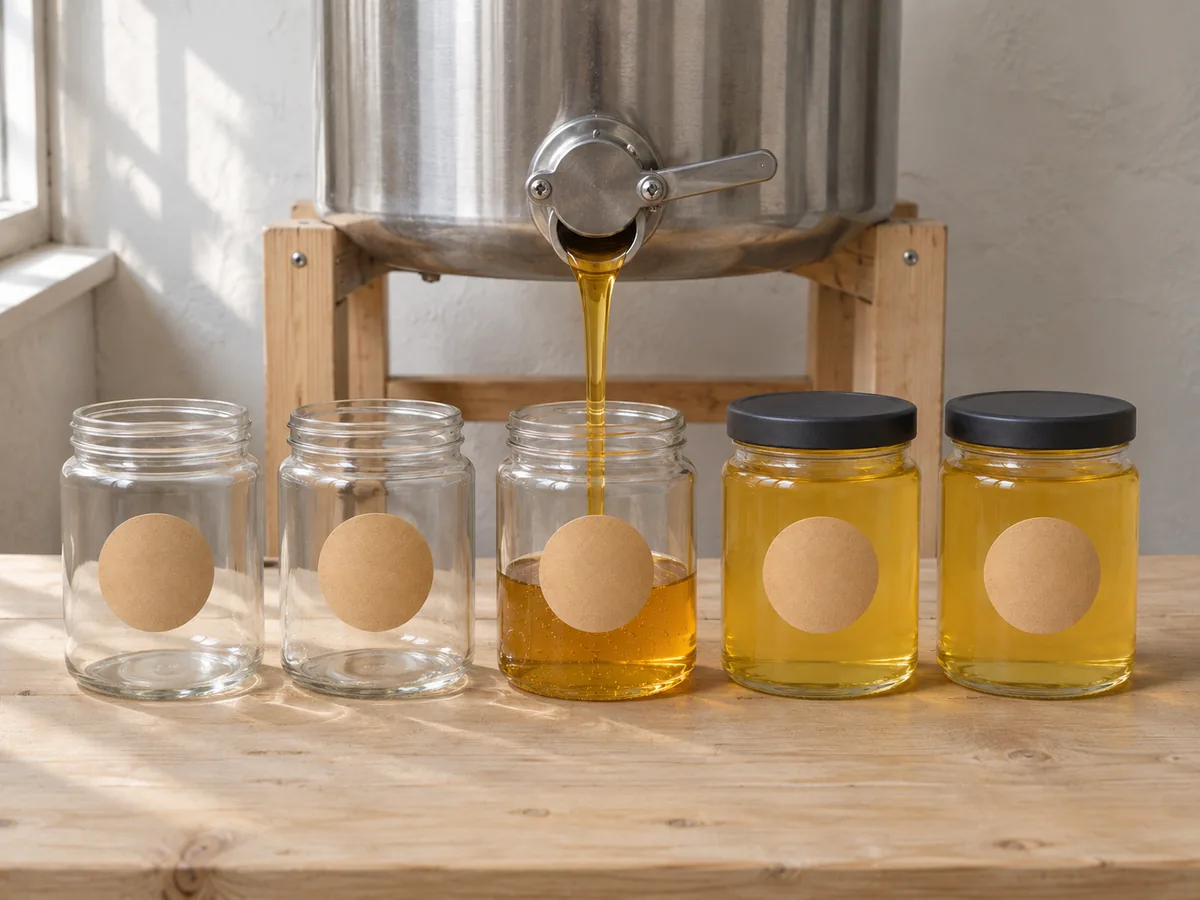
We pour it into glass
Only glass jars with metal lids: in glass, honey doesn't pick up other smells.
-
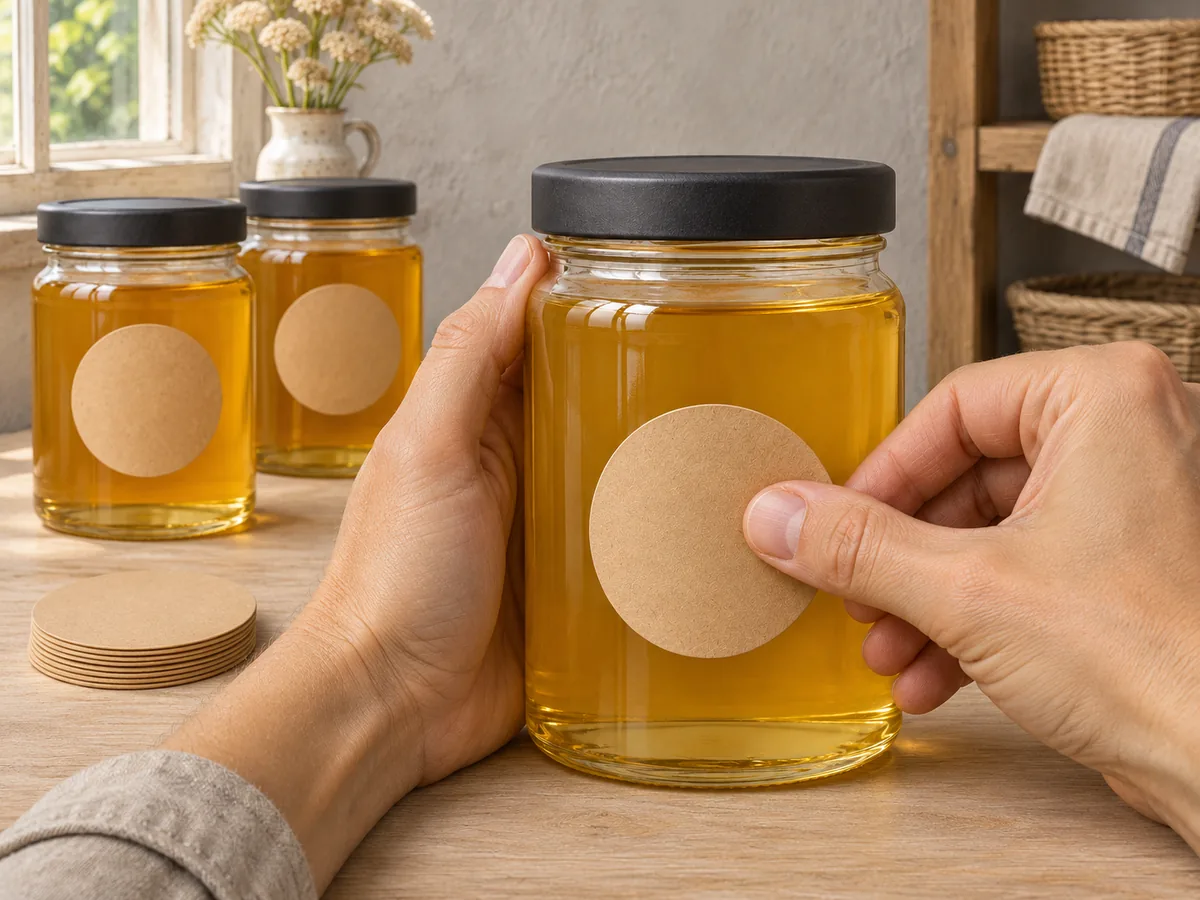
We label each batch
The label shows the variety, month and place of harvest, and the batch number. With that number we can find the lab analysis for the batch.
We don't pasteurise our honey or pressure-filter it. If it has crystallised before bottling, we warm it to no more than 40 °C.
Gift
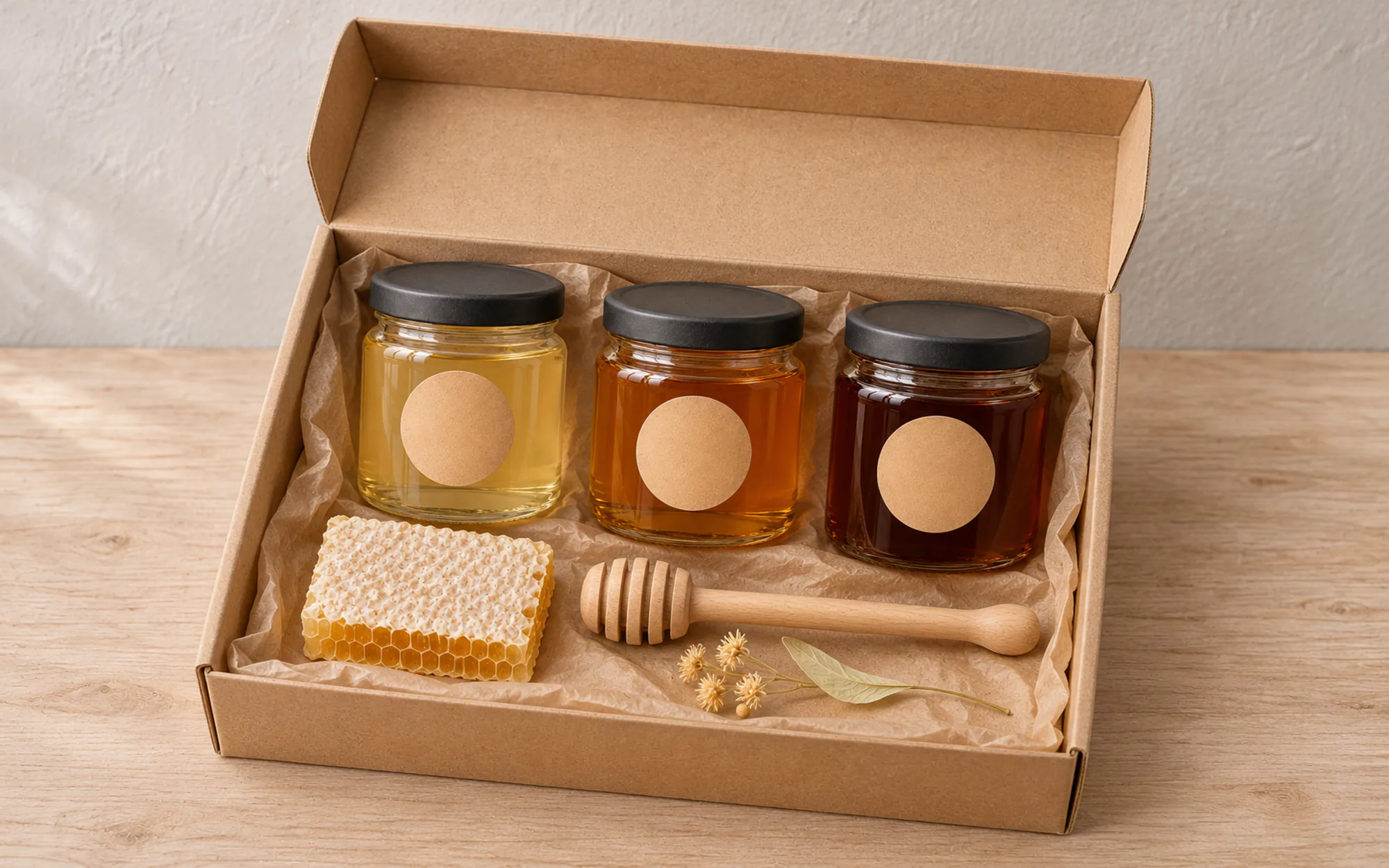
Three varieties in one box
Three 250 g jars — light, medium and dark honey — a wooden spoon and a card describing the varieties.
In stock
UAH 420
Ask
For colleagues and partners we put together orders from 10 sets, with your own card if you like. Ask about gift sets
Honey without the myths
Short answers to what people ask most often at our stall.
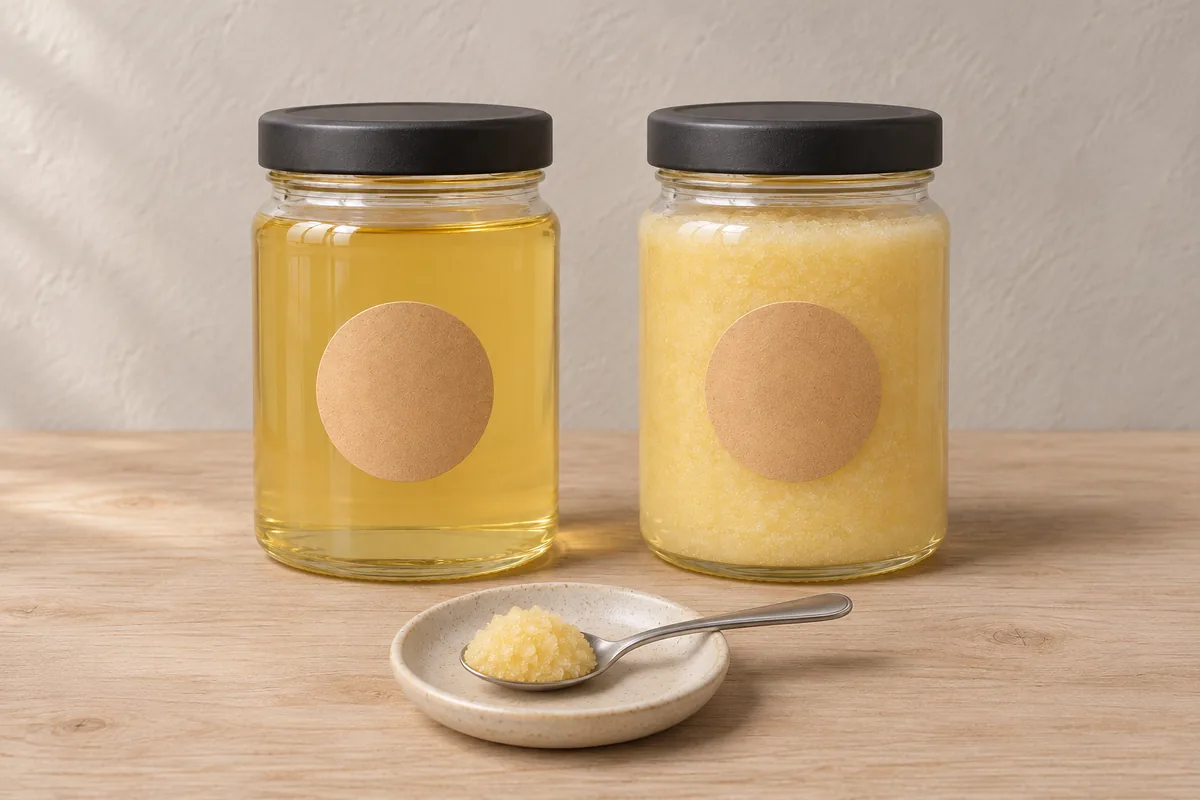
Why honey sets — and why that's fine
Crystallisation isn't a sign of sugar or spoilage. It's simply how natural honey behaves.
Read more
Honey contains a lot of glucose, which crystallises over time. How fast depends on the variety: sunflower honey sets within a few weeks, while acacia can stay runny for months.
Set honey hasn't gone off or turned “sugary”. The taste and benefits are the same; only the texture has changed.
To make it runny again, stand the open jar in warm water no hotter than 40 °C. Boiling water and the microwave destroy the aroma.
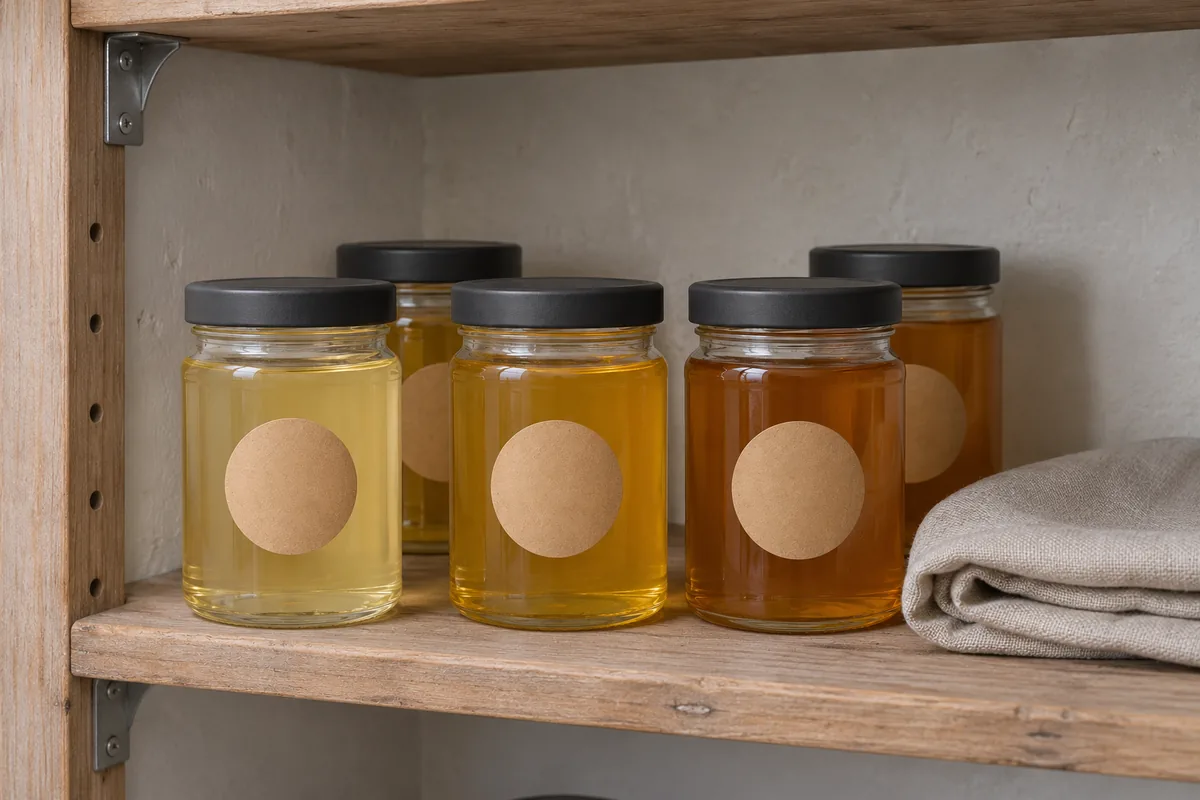
How to store honey at home
You don't need a fridge. What matters more is what's stored next to it.
Read more
Best of all is a glass jar with a tight lid, kept somewhere dark at room temperature or a little cooler.
Honey absorbs moisture and smells, so don't keep it above the cooker or next to spices. Always use a dry spoon.
Honey won't spoil in the fridge, but it will set faster.
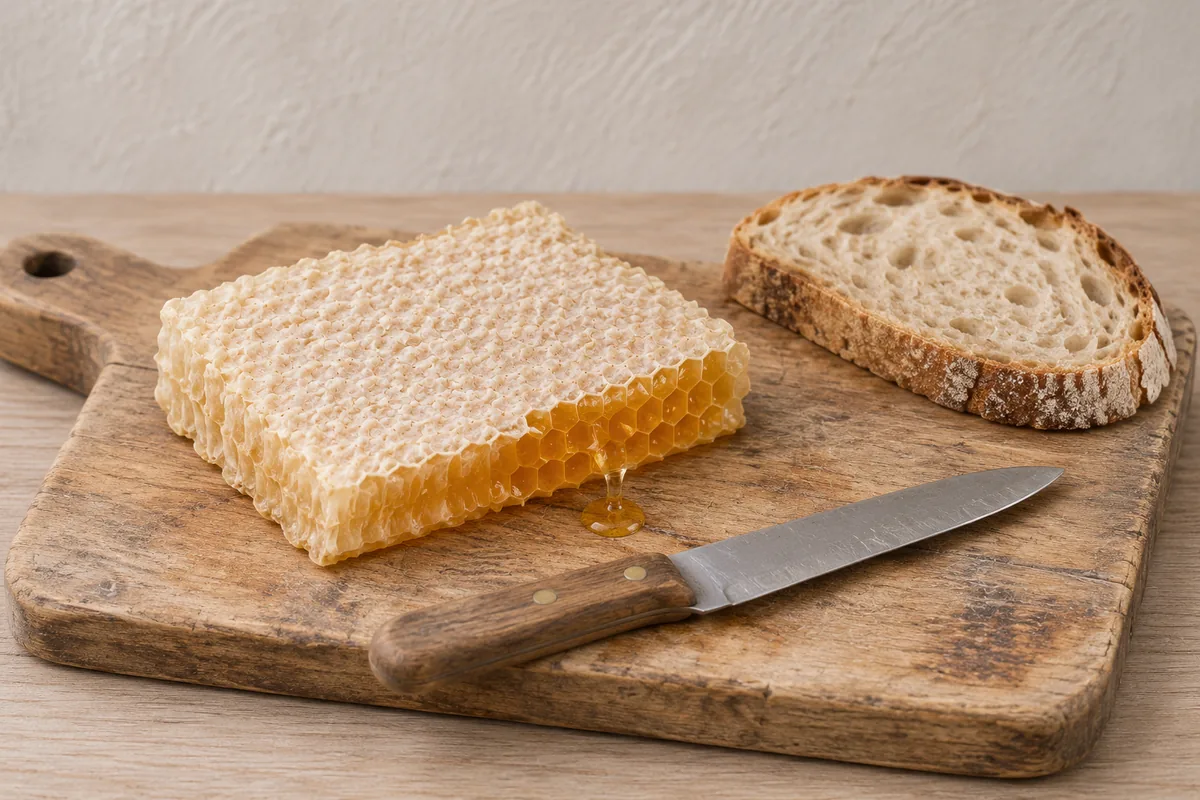
Comb honey: how to eat it
This is honey just as it is in the hive — sealed in wax cells.
Read more
Cut off a piece with a knife. You can chew the wax like gum or leave it.
Comb honey goes well with cheese, toast and tea.
Keep the section in a closed box at room temperature: in the fridge, the honey in the cells may crystallise.
Reviews
What people who have already ordered our honey say.
Text of a real customer review.
Customer's name
Text of a real customer review.
Customer's name
Text of a real customer review.
Customer's name
Delivery, payment, documents
Answers to what people ask before their first order.
- Nova Poshta and Ukrposhta across Ukraine
- Pickup from our collection point in Obukhiv
- Pay on receipt or by card
- Every jar in its own box
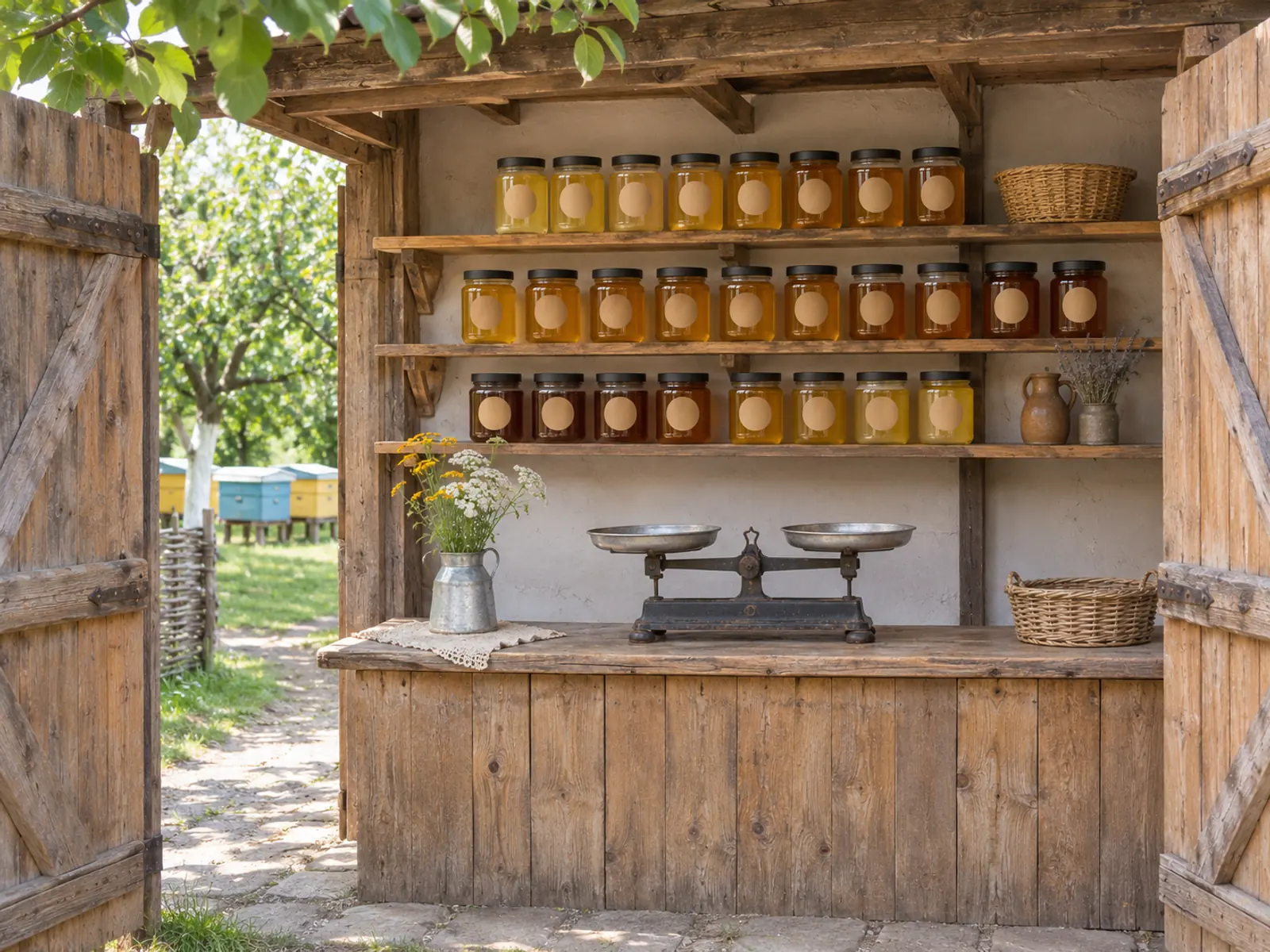
How do you send the honey?
With Nova Poshta and Ukrposhta, anywhere in Ukraine. We wrap every glass jar in corrugated cardboard and put it in its own box.
When will you send my order?
Within 1–3 working days after we call you and confirm the order. We'll send the tracking number via Viber or SMS.
How do I pay?
Cash on delivery (COD) when you receive it — the carrier charges a fee for the transfer. Or by card after we call you. There is no online payment on the site.
Can I collect it myself?
Yes, from our collection point in Obukhiv. The address and hours are in Contacts; please call before you come so we can get your order ready.
Can frost or heat in transit harm the honey?
No. Frost only makes honey set faster, and heat in transit doesn't last long enough to change it. We pack the glass tightly so the jar doesn't crack.
What if a jar arrives broken?
Open the parcel in front of the post office staff. If a jar is broken, take a photo and message us the same day — we'll send a new one or refund you.
What documents do you have for the honey?
The apiary's veterinary and sanitary passport and a lab analysis of every batch. We'll send a scan on request or put a copy in the parcel.
Do you have prices for larger orders?
From 10 kg of honey or from 10 gift sets — write to us and we'll work out the price and timing.
Visit, call, ask
We answer ourselves. In season, sometimes in the evening, once we're back from the apiary.
- Collection point
- 12 Sadova St, Obukhiv, Kyiv Oblast
- Pickup hours
- Mon–Fri 10:00–18:00
Sat 10:00–14:00, please call ahead - Phone
- +380 67 123 45 678 — Taras, beekeeper
- Messengers
- Viber and Telegram on the same number
- hello@lypen.example
12 Sadova St, Obukhiv, Kyiv Oblast Open the address on OpenStreetMap
Get directions
To zoom the map with the mouse wheel, click on it first.