Ceramic
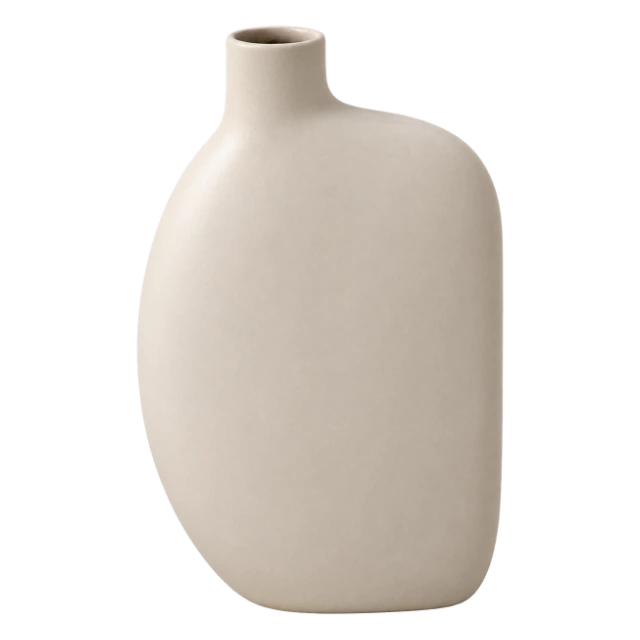
Offset-neck vase
A soft oval body with one flat side and a short neck to the left. A distinctive shape for an open shelf or console.


Individual objects. Combinations that feel like you.
Chalk
Light wood
Graphite
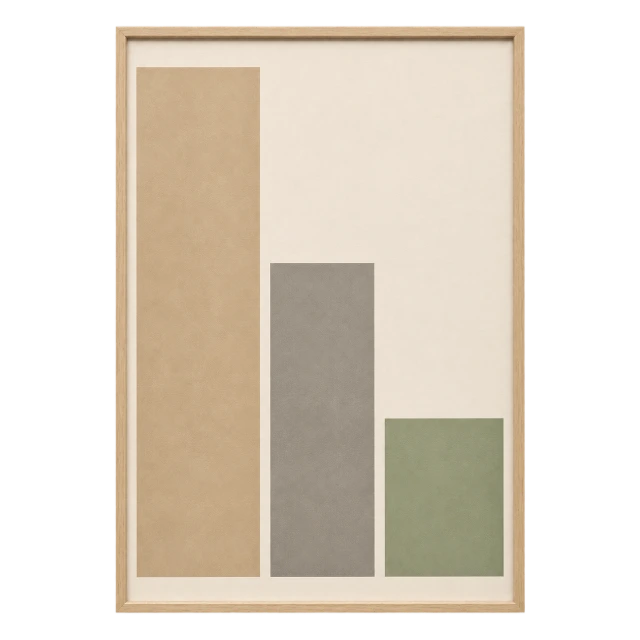
Sand / grey / green
From a small accent to a quiet corner.
6 of 12 objects
Ceramic
A soft oval body with one flat side and a short neck to the left. A distinctive shape for an open shelf or console.
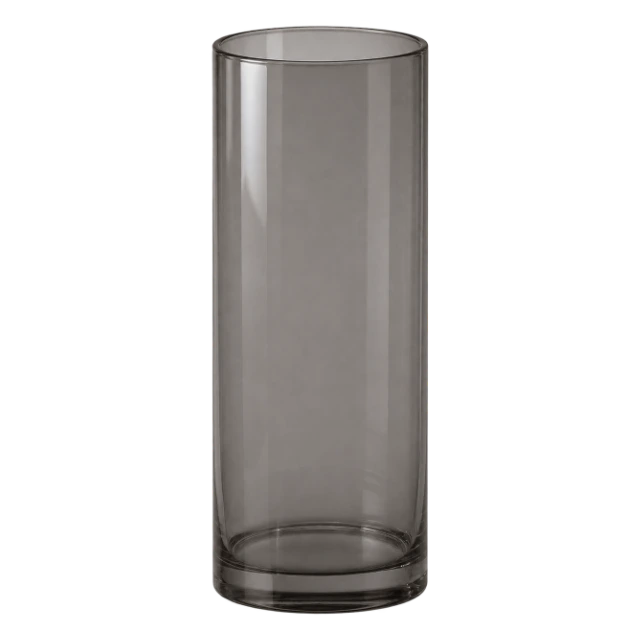
Glass
A straight glass cylinder with a thicker band at its base. Its transparent surface complements matt objects.
Wood
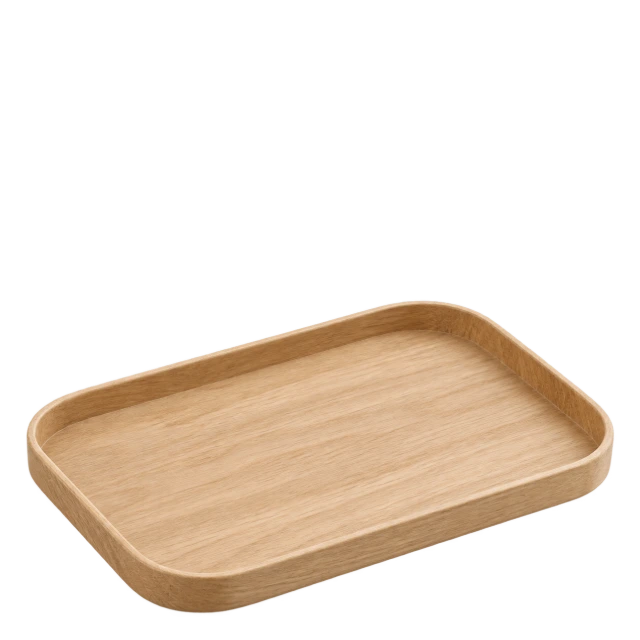
Rounded corners, a low continuous rim and a quiet lengthwise wood grain. Brings small objects into one composition.
Metal
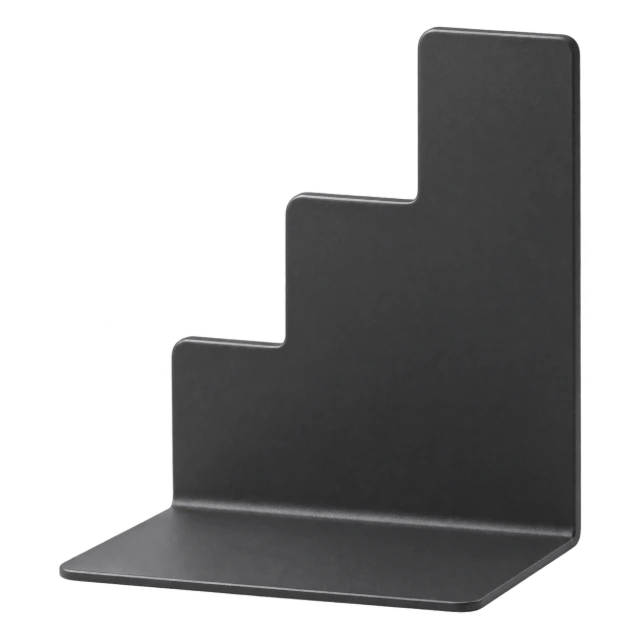
A single L-shaped support with a stepped outline. Its crisp lines contrast with rounded ceramic.
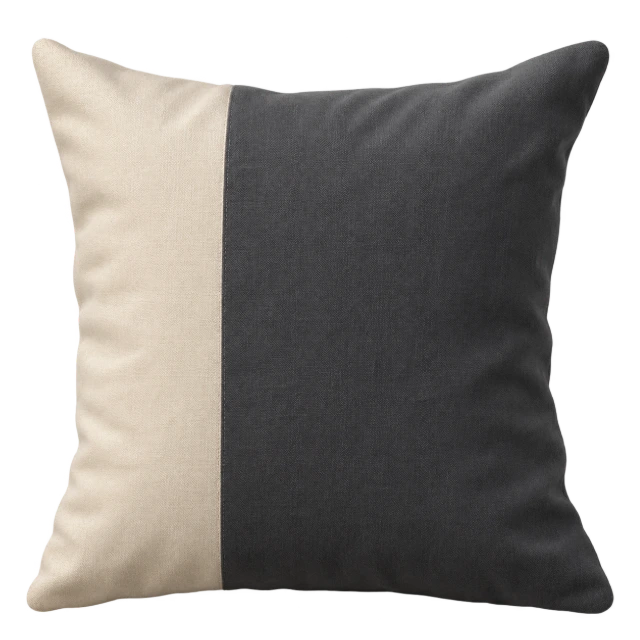
Cotton
One vertical seam divides a soft square into one-third and two-thirds. Two quiet colours with no extra pattern.
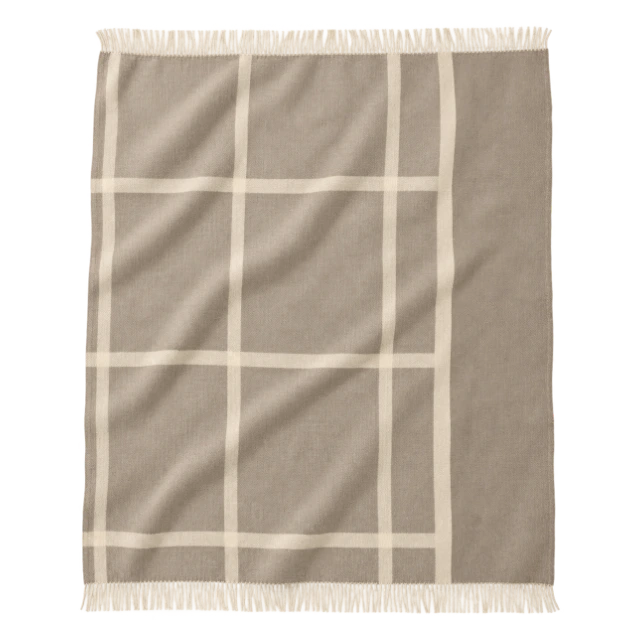
Cotton · Wool
A loose grid of broad bands with short fringe along two edges. Pairs with plain surfaces.
Start with a place you would like to add to.
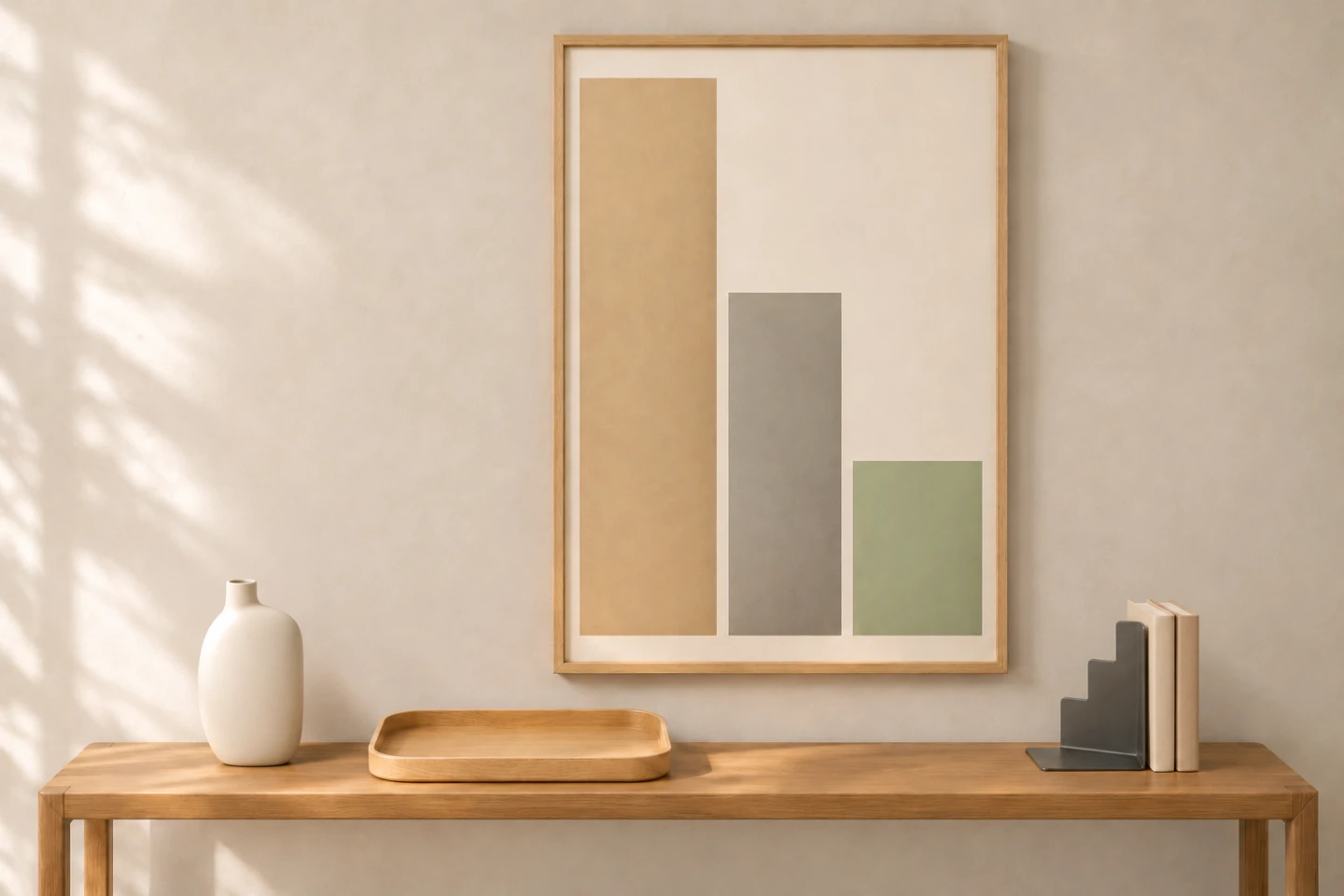
Different heights, one calm palette. A rounded vase, a flat tray, a clear metal outline and a print.
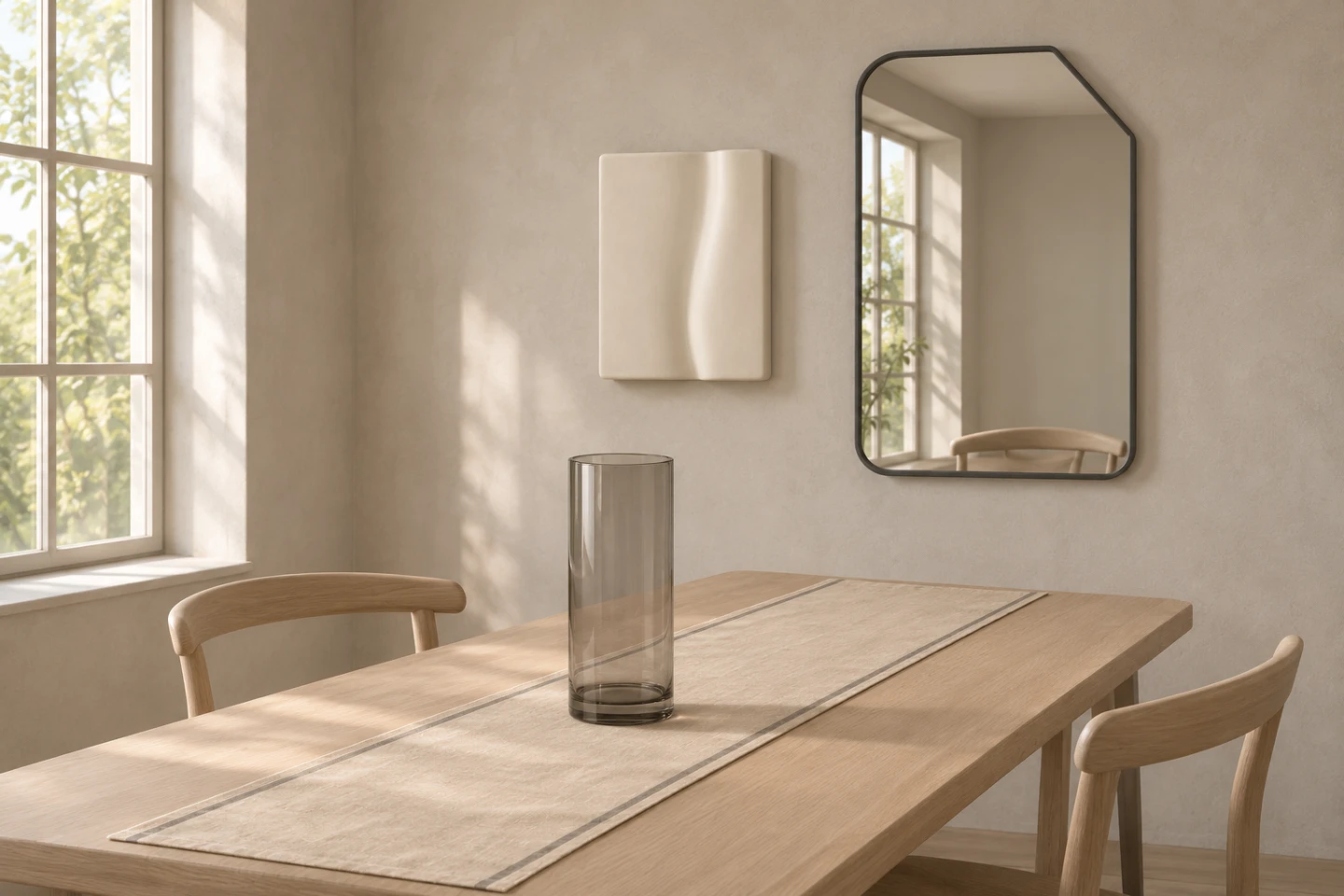
Transparent glass and fine textile lines on the table. Above them, a relief and a mirror with a distinctive corner.
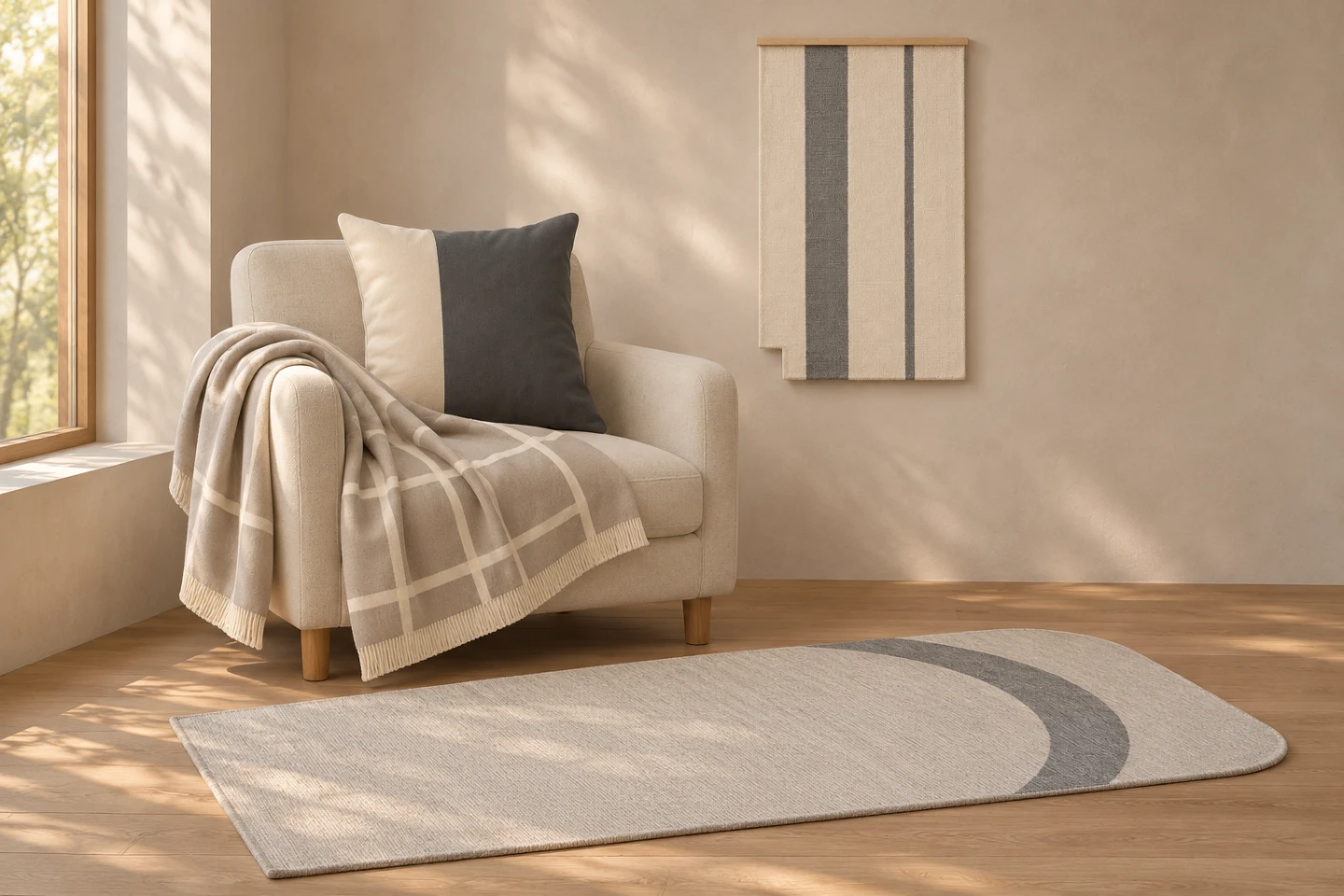
A large grid, a single arc and two vertical bands. Soft objects with different, unhurried rhythms.
Our approach
An object does not need to fill a space to make its presence felt.
We like simple silhouettes, distinctive materials and a mix of heights. Matt ceramic beside clear glass, a flat surface beside a full shape: these differences create a quiet rhythm.
Each object has a named variant, materials and dimensions. They help you turn an impression into your own choice.
Consider the surface, the light and what is already nearby.
A matt surface and a solid volume. A focal shape beside flatter objects.
Explore the vaseLets light through and keeps the background visible. Pairs with opaque, textured surfaces.
Explore the cylinderAdds a soft line and a pattern. A quiet, plain object leaves room for a larger grid.
Explore the cushionBefore you choose
Measure the available width and depth. Allow for nearby objects: a shape needs space around it to be seen clearly.
Measure the distance to the next shelf, a light or the edge of a picture. Compare it with the height in the object details.
Choose the main shape, then add a lower or flatter object. Different heights help each piece stand out.
Choose a place you would like to add to. Explore a composition, then open an individual object to check its shape, colour and dimensions.
Solid objects list width, depth and height. Flat textiles list width and length. Measure the available space before choosing, rather than the whole piece of furniture.
Room lighting and screen settings affect how a shade looks. Compare the variant name, the overall appearance and the texture.
The object, your chosen variant and the quantity. The list is saved in this browser when its settings allow it. You can copy its text to keep elsewhere.
The list helps you collect your choices. Copying it does not send an order or create a payment. Items without a stated price do not produce a monetary total.